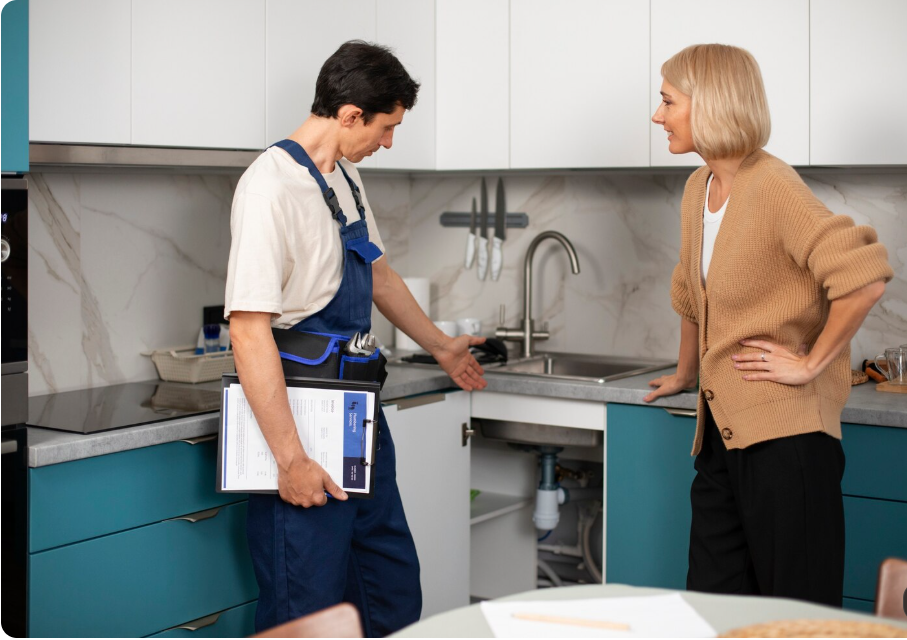
Plumbing problems can happen unexpectedly, from leaking faucets and clogged drains to broken pipes, water heater failures, and low water pressure. Even a small plumbing issue can cause inconvenience and lead to expensive damage if it is not addressed promptly. Before hiring a professional, many homeowners search for a plumbing free estimate to understand the expected repair costs and choose the right service provider.
A free plumbing estimate helps you learn about the potential cost of a project before committing to the work. Depending on the plumbing company, the estimate may include labor, materials, replacement parts, and the recommended repair process. However, some companies charge a diagnostic or inspection fee even when they provide estimates at no charge, so it is important to confirm the terms before scheduling an appointment.
Whether you need emergency plumbing repairs, bathroom renovations, drain cleaning, or a complete pipe replacement, understanding how estimates work can help you make informed decisions. This guide explains what a plumbing free estimate includes, how to request one, which factors influence costs, and how to choose a reliable plumber.
What Is a Plumbing Free Estimate?
A plumbing free estimate is an initial price assessment provided by a plumbing company without charging a fee for the estimate itself. It helps homeowners understand the approximate cost of a plumbing repair, installation, or renovation before approving the project.
Depending on the service provider and the complexity of the work, an estimate may be prepared after a phone consultation, review of photographs, virtual assessment, or an on-site inspection.
A plumbing estimate commonly includes:
- A description of the plumbing problem or requested service
- Recommended repairs or installation work
- Estimated labor charges
- Expected material and replacement-part costs
- The approximate project timeline
- Any stated exclusions or additional charges
- Warranty information, where applicable
Not every free estimate includes a detailed inspection or a guaranteed final price. Ask the plumber what is included and whether diagnostic fees, travel charges, or additional testing may apply.
Why Should You Request a Free Plumbing Estimate?
1. Understand the Expected Cost
One of the main advantages of requesting a free estimate is knowing the potential expense before work begins. A written quote can help you determine whether a repair fits your budget or whether you need to consider alternative solutions.
For example, a leaking faucet may require a simple replacement part, while a hidden pipe leak could involve opening a wall and repairing damaged materials. An estimate helps clarify the expected scope of work.
2. Compare Different Plumbing Companies
Getting estimates from multiple plumbers allows you to compare prices, services, materials, and proposed repair methods.
A lower quote is not always the best choice. One company may include replacement parts and cleanup, while another may charge separately for these services.
Compare the complete scope of work rather than choosing a contractor based only on the total price.
3. Avoid Unexpected Charges
A detailed estimate can explain what is included in the quoted price and which conditions could increase the cost.
Ask how the plumber handles unexpected problems discovered during the repair. Ideally, additional work should be explained and approved before extra charges are incurred.
4. Plan Home Improvement Projects

Free estimates can be useful for larger projects such as bathroom remodeling, kitchen plumbing upgrades, water heater installation, or replacing old pipes.
Knowing the expected cost makes it easier to organize your budget, prioritize essential work, and schedule the project.
5. Evaluate Professionalism
The estimate process can reveal how a plumbing company communicates with customers. A professional plumber should explain the problem clearly, answer questions, and provide a reasonable description of the recommended work.
Clear communication is especially important when the project involves expensive equipment or major changes to your plumbing system.
Plumbing Services That May Offer Free Estimates
Many plumbing companies provide free estimates for selected residential or commercial services. Availability varies, so confirm the company’s policy before booking.
Leak Detection and Pipe Repair
Leaking pipes can damage walls, ceilings, flooring, and cabinets. A plumber may inspect accessible pipework, identify visible leaks, and recommend appropriate repairs.
More complex leak detection may require specialized equipment or diagnostic testing, which could involve a separate fee.
Drain Cleaning
Slow drains and recurring blockages can result from grease, soap residue, hair, foreign objects, or buildup inside pipes.
A plumbing company may provide an estimate for drain cleaning after learning about the location and severity of the blockage. Severe or recurring clogs may require a camera inspection or additional diagnostic work.
Water Heater Repair and Installation
Water heaters may develop leaks, heating problems, unusual noises, or inconsistent water temperatures. Depending on the unit’s condition, a plumber may recommend repairing a component or replacing the system.
The estimate should explain whether it covers the equipment, installation labor, required connections, disposal of the old unit, and any applicable permit costs.
Bathroom and Kitchen Plumbing
Bathroom and kitchen projects may involve installing sinks, faucets, toilets, showers, garbage disposals, or new water lines.
For remodeling projects, a detailed estimate should distinguish between fixture installation, pipe modifications, labor, materials, and any work that other contractors must complete.
Emergency Plumbing Repairs
Burst pipes, major leaks, and overflowing plumbing fixtures can require urgent attention. Some companies offer estimates for emergency repairs, but emergency call-out or after-hours charges may still apply.
Ask whether the company charges a service fee before dispatching a plumber.
What Factors Affect a Plumbing Estimate?
The price of plumbing work depends on several factors. Understanding them can help you interpret estimates and compare service providers fairly.
| Cost factor | How it affects the estimate |
|---|---|
| Type of problem | Minor repairs may cost less than complex pipe or sewer work |
| Labor requirements | Longer or more specialized jobs require more labor |
| Materials and parts | Pipe material, fixtures, valves, and replacement components affect cost |
| Accessibility | Pipes inside walls, ceilings, or difficult-to-reach areas may increase labor |
| Emergency timing | After-hours and urgent services may involve additional charges |
| Diagnostic requirements | Camera inspections or specialized leak detection may cost extra |
| Project size | Whole-house plumbing and remodeling require more materials and labor |
| Permits and compliance | Certain installations or major alterations may require permits or inspections |
Why Is an On-Site Inspection Sometimes Necessary?
A plumber may provide a rough estimate over the phone for a straightforward installation or visible repair. However, more complex problems often require an on-site assessment.
For example, a recurring drain blockage may indicate an obstruction deeper in the drainage system. Similarly, low water pressure could result from a faulty valve, mineral buildup, a leak, or a broader plumbing issue.
An inspection helps the plumber identify the likely cause and recommend a more accurate solution.
How to Get a Free Plumbing Estimate

Following a few simple steps can help you obtain a useful estimate and avoid confusion.
Step 1: Describe the Problem Clearly
Explain what is happening, where the issue is located, and when it started. Mention warning signs such as water stains, unusual pipe noises, slow drainage, or inconsistent water pressure.
If possible, take clear photographs or a short video to help the plumber understand the situation before visiting.
Step 2: Contact Several Plumbing Companies
Contact two or three qualified plumbers when the situation allows. Ask whether they provide free estimates for your specific service and whether an inspection or diagnostic charge applies.
For urgent leaks, shut off the appropriate water supply if it is safe to do so and contact a qualified professional promptly rather than delaying repairs to compare quotes.
Step 3: Request a Written Estimate
A written estimate provides a clearer record of the proposed work. It should identify the repair, expected materials, labor, approximate timeline, and possible additional charges.
For major projects, ask for an itemized breakdown so you can compare individual costs.
Step 4: Ask About Alternatives
Sometimes a plumber can offer more than one repair option. For example, replacing a worn component may be less expensive than replacing an entire fixture.
Ask about the advantages, limitations, and expected durability of each option. The cheapest repair may not be the best long-term choice if the underlying problem is likely to return.
Step 5: Confirm the Final Price Before Work Begins
An estimate is not necessarily a fixed-price contract. Ask whether the quoted amount is an approximate estimate or a firm price for a defined scope of work.
Confirm how additional labor, unexpected damage, or material changes will be handled. Do not approve extra work until you understand the revised cost.
How to Choose the Right Plumbing Company
Price is important, but experience, reliability, and service quality also matter when selecting a plumber.
Check Qualifications and Insurance
Verify any required plumbing license or professional registration for your location. Ask about appropriate insurance coverage and whether the company uses qualified technicians for specialized work.
Requirements vary by region and project type.
Read Customer Reviews
Customer feedback may provide insight into punctuality, communication, workmanship, and how the company handles problems.
Look for consistent patterns rather than relying on a single positive or negative review.
Ask About Warranties
Ask whether the repair includes a workmanship warranty and whether replacement parts have separate manufacturer warranties.
Understand the duration, coverage, and exclusions before approving the work.
Check Availability and Response Time
If you have a leaking pipe or another urgent problem, ask how quickly the company can respond. For planned installations, confirm the expected start date and project duration.
Avoid Vague Quotes
Be cautious when a quote does not explain the work, materials, or possible additional costs. A trustworthy contractor should be willing to clarify the estimate and document important details.
Common Plumbing Estimate Mistakes to Avoid
Homeowners can make better decisions by avoiding these common mistakes:
- Choosing a plumber based only on the lowest quote.
- Assuming every free estimate includes a complete inspection.
- Failing to ask about diagnostic, travel, or emergency charges.
- Accepting verbal prices for complex projects without written documentation.
- Ignoring material quality and warranty coverage.
- Approving additional work without confirming the revised price.
- Delaying urgent repairs while waiting for several estimates.
- Failing to check qualifications and relevant insurance.
Taking a little time to clarify these details can help prevent misunderstandings and unexpected expenses.
Free Plumbing Estimates for Residential and Commercial Properties
Residential and commercial plumbing projects often have different requirements.
Residential Plumbing Estimates
Homeowners may request estimates for leaking faucets, clogged drains, toilet repairs, water heater replacement, bathroom upgrades, and pipe repairs.
A residential estimate should reflect the home’s plumbing layout, the condition of existing fixtures, and any access challenges.
Commercial Plumbing Estimates
Commercial properties may require estimates for restrooms, kitchens, water supply lines, drainage systems, plumbing fixtures, and larger pipe networks.
Businesses should ask whether the contractor has experience with similar properties and whether the work can be scheduled to minimize disruption to daily operations.
For larger commercial projects, a detailed written proposal may be more appropriate than a simple repair quote.
Tips for Saving Money on Plumbing Repairs

You can manage plumbing expenses more effectively without compromising safety or repair quality.
- Address problems early: Small leaks can worsen and cause additional damage.
- Maintain your plumbing system: Periodically check visible pipes, fixtures, valves, and drains.
- Compare detailed estimates: Review the scope, materials, labor, and warranty coverage.
- Ask about repair options: A suitable component replacement may solve the problem without a larger installation.
- Choose quality materials: Appropriate materials can help reduce premature failures.
- Keep maintenance records: Documenting previous repairs may help identify recurring issues.
- Avoid unnecessary delays: Water leaks and drainage problems can become more expensive if left unresolved.
Never attempt complicated gas-line, electrical, or pressurized plumbing work without the necessary qualifications. Professional service can help protect your property and the people inside it.
Conclusion
A plumbing free estimate is a useful starting point for understanding the expected cost of repairs, installations, and home improvement projects. It allows homeowners and business managers to compare service providers, plan their budgets, and learn which solutions may be appropriate for their plumbing problems.
The key is to understand exactly what the estimate includes. Ask about inspection fees, labor, materials, emergency charges, warranties, and possible additional costs before approving the work.
By choosing a qualified plumbing professional, requesting a clear written estimate, and addressing problems promptly, you can make more informed decisions and protect your property from avoidable plumbing damage.
Frequently Asked Questions (FAQs)
1. Do plumbing companies really offer free estimates?
Yes, many plumbing companies offer free estimates for selected repairs and installations. However, some charge separate fees for diagnostic testing, inspections, or emergency visits. Confirm the company’s policy before scheduling service.
2. What information should a plumbing estimate include?
A useful estimate should describe the work, labor, materials, expected timeline, and any applicable fees or exclusions. For larger projects, request an itemized breakdown and written warranty information.
3. Can I get a plumbing estimate over the phone?
You may receive a preliminary estimate over the phone for straightforward jobs. Complex repairs often require an on-site inspection to identify the cause of the problem and provide a more accurate price.
4. Should I get multiple plumbing estimates?
For non-emergency projects, comparing two or three estimates can help you evaluate pricing, repair methods, materials, and warranties. For urgent problems, prioritize safety and timely repairs.
5. Is a free plumbing estimate the same as a guaranteed price?
No. A free estimate means the company does not charge for providing the estimate itself. The quoted amount may still change if the actual condition differs from what was initially assessed. Ask whether the price is fixed or subject to change and get approval for additional work before it begins.