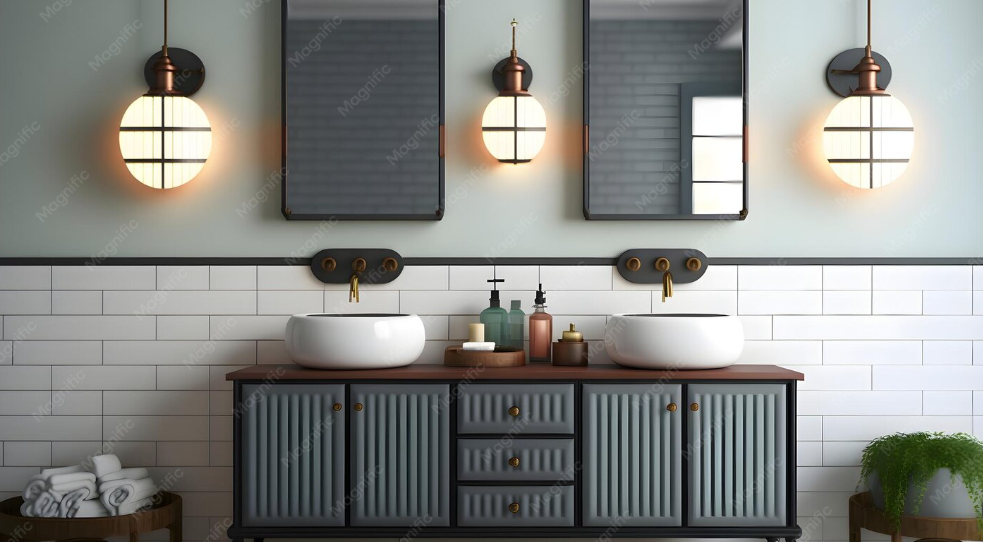
Bathroom lighting is an essential part of creating a comfortable, attractive, and functional home. The right fixture improves visibility, complements the bathroom décor, and makes everyday activities such as shaving, applying makeup, washing your face, and brushing your teeth easier. A two-light vanity fixture is a practical choice for homeowners who want a balance between brightness and style without installing an oversized lighting system.
A two-light bathroom vanity fixture typically features two bulbs or integrated light sources attached to one wall-mounted base. It is commonly installed above a bathroom mirror and works well in powder rooms, guest bathrooms, and smaller single-sink spaces. With different finishes, shade designs, and lighting technologies available, homeowners can find an option that matches both modern and traditional interiors.
Choosing the right fixture involves more than selecting an attractive design. Size, brightness, color temperature, moisture resistance, and placement all influence how well the light performs. Understanding these factors helps you create a bathroom that looks beautiful and supports your daily routine.
What Is a Two-Light Bathroom Vanity Fixture?
A two-light bathroom vanity fixture is a wall-mounted light designed with two separate light sources. These lights may be arranged horizontally along a metal bar, positioned on a decorative frame, or incorporated into a contemporary integrated LED design.
The fixture is generally installed above a mirror or near the bathroom vanity. Depending on the shade shape and direction, it can provide focused illumination for grooming or softer light that contributes to the overall atmosphere.
Two-light fixtures are particularly useful when a single bulb does not provide enough brightness, but a three- or four-light fixture would look too large for the available wall space.
Key Benefits of Two-Light Vanity Lighting
- Balanced illumination: Two light sources can spread light more evenly across a small vanity area than one concentrated bulb.
- Space-saving design: A compact fixture fits comfortably above many single-sink mirrors.
- Decorative appeal: Different finishes and shade styles can complement bathroom hardware and cabinetry.
- Flexible installation: Some fixtures allow the shades to face upward or downward.
- Energy-efficient options: LED models can provide useful brightness while consuming relatively little electricity.
- Versatile styling: Two-light fixtures are available for contemporary, farmhouse, industrial, transitional, and traditional bathrooms.
Popular Two-Light Bathroom Vanity Light Styles
The style of your vanity lighting can influence the entire appearance of the bathroom. Consider the room’s existing finishes, mirror shape, cabinet color, and faucet design before selecting a fixture.
1. Modern Minimalist Vanity Lights
Modern two-light fixtures often feature clean lines, simple metal frames, and understated shades. Matte black, brushed nickel, chrome, and satin brass are common choices for contemporary interiors.
A slim fixture with frosted glass shades can create a clean appearance without drawing too much attention away from the mirror. This style works especially well with floating vanities, neutral wall colors, frameless mirrors, and simple cabinetry.
For a coordinated look, match the fixture’s finish to one or two other bathroom details, such as the faucet or cabinet handles. Matching every metal surface is not necessary, but a deliberate combination can make the space feel more cohesive.
2. Two-Light Fixtures With Glass Shades
Glass shades are a versatile option because they can soften or emphasize the light depending on their design. Clear glass creates an open, decorative appearance, while frosted or opal glass helps diffuse light and reduce harsh glare.
Ribbed glass shades add texture and work well in bathrooms with vintage-inspired mirrors or decorative tile. Globe-shaped shades offer a softer, rounded appearance, while cylindrical shades suit more geometric interiors.
If the fixture will be used for daily grooming, consider how the glass distributes light across the face. Attractive shades should also provide practical illumination.
3. Matte Black Bathroom Vanity Lights
Matte black fixtures create contrast against white tile, pale walls, and light-colored cabinets. They can also complement darker vanities and industrial-style interiors.
A black metal frame with white glass shades offers a balanced combination of contrast and brightness. Pairing black lighting with a black-framed mirror or matching cabinet hardware can create a coordinated design.
For a softer appearance, combine matte black with warm wood tones, beige surfaces, or brushed brass accents.
4. Brushed Nickel and Chrome Fixtures
Brushed nickel and chrome are popular choices for bathrooms because their silver tones work with many common fixtures. Chrome offers a polished, reflective appearance, while brushed nickel generally looks more subdued.
These finishes can complement white sinks, gray cabinets, marble-look countertops, and glass shower enclosures. They are particularly useful when you want a timeless look that can adapt to future décor changes.
5. Farmhouse and Traditional Vanity Lighting
Traditional two-light fixtures may feature curved arms, decorative backplates, bell-shaped shades, or antique-inspired finishes. Brushed brass, bronze, and dark metal finishes can work well with farmhouse and classic bathroom interiors.
For a farmhouse look, combine a simple metal fixture with a framed mirror, warm wood cabinetry, and neutral walls. Avoid choosing an excessively large design if the bathroom is compact.
How to Choose the Right Two-Light Vanity Fixture
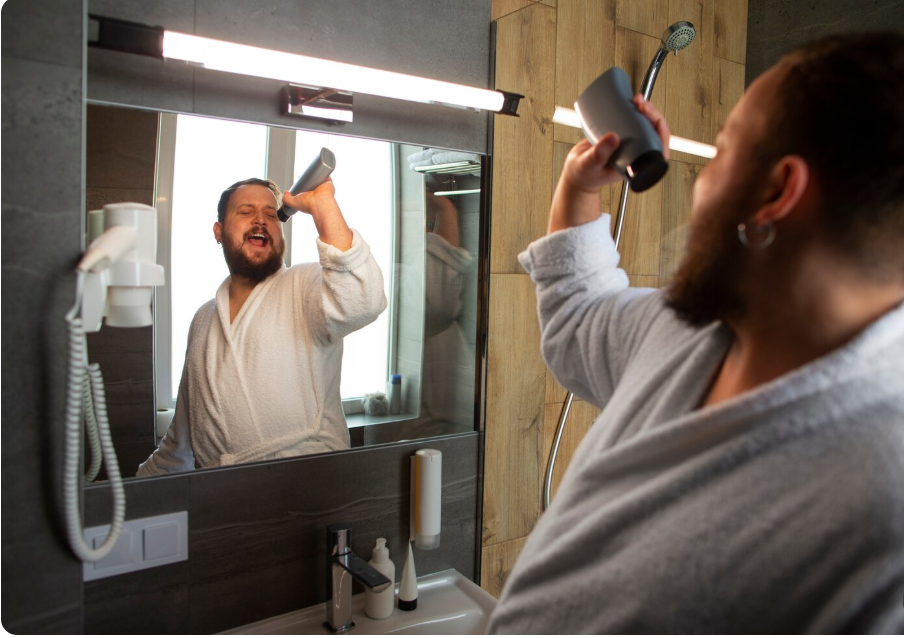
Selecting the right fixture requires careful attention to measurements, light quality, durability, and installation requirements.
Measure the Mirror and Vanity
Start by measuring the width of your mirror and vanity. The fixture should look proportionate to the mirror rather than appearing unusually narrow or extending too far beyond its edges.
A two-light fixture may be suitable for a compact mirror, but the correct size depends on the overall design and how much illumination you need. Check the manufacturer’s dimensions before purchasing, including the fixture’s width, height, and projection from the wall.
| Bathroom feature | What to consider |
|---|---|
| Small single-sink vanity | Choose a compact fixture that leaves visual space around the mirror. |
| Wide mirror | Check whether a longer two-light bar provides adequate coverage. |
| Round mirror | Consider a horizontal fixture with clean lines or a complementary rounded design. |
| Narrow wall | Check the fixture’s depth to avoid obstructing movement. |
| Decorative mirror | Select a simple light that does not compete with the frame. |
Choose the Right Brightness
Brightness is measured in lumens, not watts. Watts indicate energy consumption, while lumens describe the amount of light produced.
For bathroom grooming, look for a fixture that provides useful light at face level without creating excessive glare. The ideal output depends on the fixture, bulbs, mirror size, wall color, and other lighting in the room.
A two-light fixture may work well as the main mirror light, but it might not illuminate an entire bathroom on its own. Pair it with suitable ceiling lighting when additional general illumination is needed.
Select a Comfortable Color Temperature
Color temperature is measured in kelvins (K). It affects whether light appears warm, neutral, or cool.
- 2700K–3000K: Warm light that creates a relaxed and inviting atmosphere.
- 3000K–3500K: A balanced option for many bathrooms, combining comfort with practical visibility.
- 4000K: Neutral white light that may suit contemporary bathrooms and task-focused spaces.
- 5000K and above: Cooler light that can feel stark when used throughout a small residential bathroom.
For many homes, warm-neutral or neutral-white lighting is a useful starting point. If accurate makeup application is important, consider a high color-rendering index (CRI), ideally 90 or higher when available.
Consider the Direction of the Shades
Some two-light fixtures allow their shades to face upward or downward.
Downward-facing shades direct more light toward the sink and countertop. Upward-facing shades can reflect light from the ceiling, producing a softer ambient effect. Fixtures with reversible mounting provide flexibility, but always follow the manufacturer’s installation instructions.
Lighting positioned only above the mirror can create shadows under the eyes and chin. When the layout permits, additional side lighting can improve facial illumination.
Best Placement for Two-Light Bathroom Vanity Lighting
Placement affects both the appearance and performance of a vanity fixture.
Install the Fixture Above the Mirror
A horizontal two-light bar is commonly installed above a bathroom mirror. Position it so that it illuminates the face and sink without creating distracting reflections in the glass.
The correct height depends on the mirror, ceiling, fixture dimensions, and the height of the people using the bathroom. Check the fixture instructions and plan the position before drilling mounting holes.
Consider Side Lighting
If your bathroom layout allows it, lighting beside the mirror can help illuminate the face from more than one direction. A two-light bar above the mirror can still be useful, but it may work best alongside other carefully positioned light sources.
Avoid placing lights where cabinet doors, medicine cabinets, or decorative mirror frames will block them.
Combine Vanity Lighting With Ambient Lighting
A bathroom needs more than a decorative light above the sink. Ceiling fixtures provide general illumination, while vanity lights help with close-up tasks. Accent lighting can highlight niches, shelving, or architectural details.
This layered approach allows the room to function well during morning routines and feel more relaxing in the evening.
Comparison of Two-Light Vanity Fixture Types
The following table compares common designs to help you narrow down your options.
| Fixture type | Main advantage | Best suited for |
|---|---|---|
| Frosted-glass bar | Soft, diffused illumination | Everyday grooming |
| Clear-glass fixture | Decorative appearance and visible bulbs | Vintage or transitional bathrooms |
| Matte black fixture | Strong visual contrast | Modern and industrial interiors |
| Brushed nickel fixture | Versatile, understated finish | Classic and contemporary spaces |
| Integrated LED fixture | Streamlined appearance and reduced bulb replacement | Modern bathrooms |
| Adjustable-shade fixture | Flexible light direction | Bathrooms with changing lighting needs |
Bathroom Safety, Materials, and Maintenance
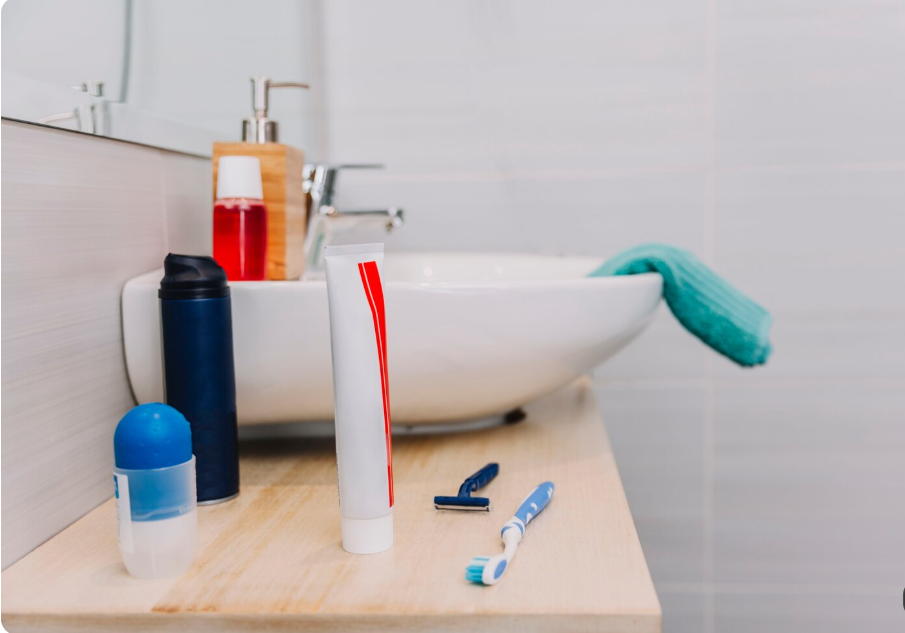
Bathrooms contain moisture, and lighting fixtures must be suitable for their installation location. Before purchasing, verify the manufacturer’s damp-location or wet-location rating as appropriate. Areas close to showers and bathtubs may have stricter requirements than the space above a dry vanity.
Check Moisture Resistance
Choose a fixture designed for bathroom use, especially if the room has limited ventilation or frequently develops condensation. The correct rating depends on the fixture’s exact location and applicable local electrical rules.
A qualified electrician can help determine the appropriate fixture rating, wiring method, and installation position. Never assume that an ordinary indoor wall light is safe for every bathroom location.
Choose Durable Materials
Look for a finish and construction that can withstand regular cleaning and exposure to humidity. Glass shades, protected metal finishes, and quality mounting hardware can help maintain the fixture’s appearance.
Check the care instructions before using cleaning sprays or abrasive materials. Harsh cleaners may damage protective coatings or leave marks on glass.
Maintain the Fixture Regularly
Switch off the power before cleaning or servicing the fixture, and follow the manufacturer’s instructions. Remove dust with a soft cloth and clean glass shades using a suitable non-abrasive cleaner.
For replaceable bulbs, use the correct bulb type and maximum wattage specified by the manufacturer. For integrated LED models, check the expected lifespan and warranty before buying.
Common Mistakes to Avoid When Buying Vanity Lighting
Even a stylish fixture can disappoint if it is poorly sized or unsuitable for the room.
- Choosing a fixture based only on appearance: Check brightness, dimensions, and bathroom suitability as well as style.
- Ignoring mirror width: A fixture that is too small may look unbalanced and provide inadequate coverage.
- Using overly harsh light: Extremely cool or glaring bulbs can make the bathroom uncomfortable.
- Relying on vanity lights alone: A separate ceiling light may be needed to illuminate the whole room.
- Forgetting moisture ratings: Confirm that the fixture is suitable for its intended location.
- Overlooking bulb compatibility: Verify the bulb base, wattage limit, dimmer compatibility, and availability of replacements.
- Installing without measuring: Mark the intended position and check for cabinets, wiring, and other obstructions before installation.
Conclusion
A two-light bathroom vanity fixture can improve everyday visibility while adding a polished finishing touch to your bathroom. Its compact design makes it a useful option for many single-sink vanities, powder rooms, and guest bathrooms.
The best choice depends on the size of your mirror, the brightness you need, your preferred color temperature, the fixture’s finish, and its suitability for a humid environment. Frosted glass can create soft illumination, matte black adds contrast, brushed nickel offers versatility, and integrated LED designs provide a streamlined alternative.
By measuring carefully, choosing appropriate light output, coordinating finishes, and following electrical safety requirements, you can create a bathroom lighting arrangement that is attractive, practical, and comfortable for everyday use.
Frequently Asked Questions
1. What is a two-light bathroom vanity fixture?
A two-light bathroom vanity fixture is a wall-mounted light with two bulbs or light sources, usually positioned above a mirror. It is commonly used in smaller bathrooms and single-sink vanity areas.
2. Is a two-light vanity fixture bright enough for a bathroom?
It may provide sufficient illumination for a small vanity, depending on its lumen output and shade design. Larger bathrooms usually benefit from additional ceiling lighting or other light sources.
3. Should bathroom vanity lights face up or down?
Downward-facing shades direct more light toward the sink and countertop, while upward-facing shades can create softer reflected light. Choose the direction that best suits your grooming needs and the fixture’s design.
4. What color temperature is best for bathroom vanity lighting?
Warm-neutral lighting around 3000K is a popular choice for balancing comfort and visibility. A neutral-white option around 3500K–4000K may suit people who prefer a cleaner, brighter appearance.
5. Are all two-light wall fixtures suitable for bathrooms?
No. The fixture must be rated for its intended environment and installed according to local electrical requirements. Check the manufacturer’s moisture-resistance specifications, particularly when the light is near a shower or bathtub.


2 thoughts on “2-Light Bathroom Vanity Lighting Ideas for a Stylish and Functional Bathroom”