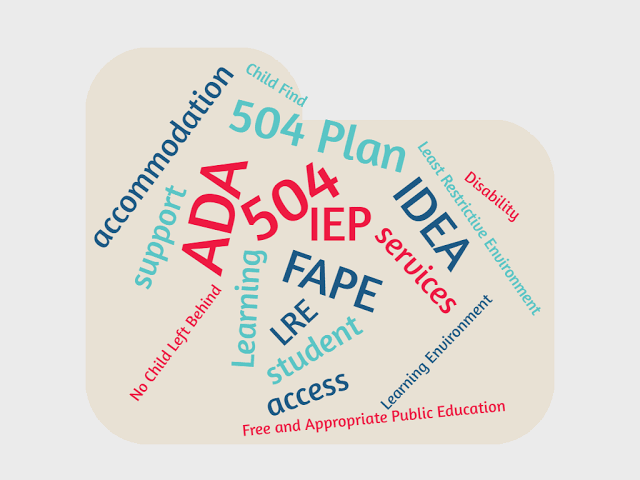
A 504 plan in education is a formal plan designed to help students with disabilities access learning and participate in school activities on an equal basis with their peers. In the United States, a Section 504 plan is based on Section 504 of the Rehabilitation Act of 1973, a federal civil rights law that prohibits disability discrimination in programs receiving federal financial assistance, including public schools.
A 504 plan identifies accommodations and supports a student may need to access the general education curriculum, school facilities, extracurricular activities, and other educational opportunities. These accommodations are based on the individual student’s needs and may address physical disabilities, chronic health conditions, learning difficulties, attention-related conditions, and other impairments that substantially limit one or more major life activities.
For example, a student with ADHD might receive preferential seating, written instructions, or additional time for certain tests when appropriate. A student with diabetes might need access to blood glucose monitoring, snacks, or medication according to an individualized healthcare plan.
Understanding what a 504 plan is, how students qualify, and how schools implement accommodations can help parents, teachers, and administrators create a more accessible learning environment.
What Does Section 504 Mean in Education?
Section 504 is part of the Rehabilitation Act of 1973, a federal law that protects qualified individuals with disabilities from discrimination in covered programs and activities.
In education, Section 504 requires covered schools to provide eligible students with disabilities an equal opportunity to participate in and benefit from educational programs and services.
A school may develop a written 504 plan to document the accommodations, services, and procedures necessary to meet an eligible student’s individual needs. Although the law does not require every accommodation plan to use an identical format, written plans help schools communicate responsibilities and implement supports consistently.
Section 504 differs from the Individuals with Disabilities Education Act (IDEA), which governs special education services for eligible students. A student who qualifies under Section 504 does not automatically qualify for special education under IDEA, and the reverse is not determined by diagnosis alone.
The central purpose of a 504 plan is to remove disability-related barriers so that a student can access education fairly.
Who Qualifies for a 504 Plan?
A student may qualify for a 504 plan when they have a physical or mental impairment that substantially limits one or more major life activities.
Major life activities include learning, reading, concentrating, thinking, communicating, walking, seeing, hearing, breathing, eating, and performing major bodily functions.
Eligibility is determined individually. A medical diagnosis may provide useful information, but a diagnosis by itself does not automatically determine whether a student qualifies for a 504 plan or which accommodations are necessary.
Examples of conditions that may be considered include:
- Attention-deficit/hyperactivity disorder (ADHD).
- Diabetes and other chronic medical conditions.
- Asthma.
- Epilepsy or seizure disorders.
- Anxiety disorders and depression.
- Dyslexia and other conditions affecting reading or learning.
- Hearing or vision impairments.
- Physical disabilities that affect mobility.
- Conditions that substantially affect concentration, communication, or other major life activities.
This list is illustrative rather than exhaustive. A student may qualify because of a condition not listed here if the legal requirements are met.
Schools must consider the student’s actual needs and the impact of the impairment rather than relying solely on assumptions about a particular diagnosis.
What Is Included in a 504 Plan?
A 504 plan describes the accommodations and supports a student needs to access education. Its contents depend on the student’s disability-related barriers, educational environment, and individual circumstances.
| Plan component | What it may include |
|---|---|
| Student information | Name, grade, school, and relevant educational details |
| Identified needs | Disability-related barriers affecting school participation |
| Classroom accommodations | Seating arrangements, written instructions, or reduced distractions |
| Testing accommodations | Extended time, breaks, or an appropriate testing location |
| Health-related supports | Access to medication, snacks, or health monitoring |
| Environmental adjustments | Accessible classrooms, lighting, or seating |
| Staff responsibilities | Information about who implements specific accommodations |
| Review arrangements | Procedures for monitoring needs and revisiting the plan |
A 504 plan should be individualized. Not every student needs every type of support, and accommodations should address documented barriers rather than be selected from a generic checklist.
Some students need only a few straightforward adjustments. Others may need coordinated support involving classroom teachers, administrators, counselors, school nurses, and families.
Common Examples of 504 Plan Accommodations
Accommodations change how a student accesses instruction or demonstrates learning without necessarily changing the academic standards being assessed.
Classroom Accommodations
Classroom accommodations may help students follow lessons, complete assignments, and participate in discussions.
Examples include:
- Preferential seating to reduce distractions or improve access.
- Written instructions in addition to verbal directions.
- Access to teacher-provided notes or structured outlines.
- Short breaks during lengthy activities.
- Permission to use approved assistive technology.
- Adjusted seating or classroom arrangements.
- Additional check-ins to confirm understanding of instructions.
These supports should be selected according to the student’s individual needs. For example, preferential seating may mean sitting near the teacher for one student but sitting away from high-traffic areas for another.
Testing Accommodations
Some students need adjustments to testing conditions to demonstrate what they know.
Possible accommodations include:
- Extended testing time when justified by the student’s needs.
- A quiet or reduced-distraction testing location.
- Scheduled breaks during longer assessments.
- Accessible test formats.
- Assistive technology where appropriate.
- Other adjustments necessary to provide equal access.
The specific accommodation must fit the student’s needs and the assessment requirements. Extended time, for example, is not automatically required for every student with a disability.
Health-Related Accommodations
Students with medical conditions may need support to participate safely and consistently in school.
Examples may include access to prescribed medication, blood glucose monitoring, water, snacks, restroom breaks, or a plan for responding to health-related symptoms.
Schools may coordinate these supports with families and healthcare professionals. Depending on the condition, a separate individualized healthcare plan may also be appropriate.
Attendance and Scheduling Support
A student whose disability affects attendance or stamina may need individualized arrangements. Depending on the circumstances, supports could include access to make-up work, adjustments to transitions, or procedures for managing disability-related absences.
Such accommodations require careful planning so that the student receives appropriate access to instruction and school activities.
What Is the Difference Between a 504 Plan and an IEP?
A 504 plan and an Individualized Education Program (IEP) both support students with disabilities, but they serve different purposes and follow different legal requirements.
An IEP is developed under IDEA for students who meet the law’s disability and special education eligibility requirements and need specially designed instruction. A 504 plan provides accommodations and other necessary supports under Section 504 to ensure equal access to education.
| Feature | Section 504 plan | IEP |
|---|---|---|
| Governing law | Section 504 of the Rehabilitation Act | Individuals with Disabilities Education Act |
| Main purpose | Ensure equal access and prevent disability discrimination | Provide special education and related services to eligible students |
| Eligibility | A qualifying impairment substantially limiting a major life activity | An eligible disability under IDEA and a need for special education |
| Accommodations | May include classroom, testing, health, and environmental supports | May include accommodations, modifications, and specialized instruction |
| Individualized services | May include necessary related aids and services | May include special education and related services |
| Written documentation | A school-developed plan or other documentation of services, as appropriate | A formal IEP with legally required components |
| Review process | Based on applicable requirements and changing student needs | Governed by IDEA review and reevaluation requirements |
A student with a disability who needs only accommodations may qualify for a 504 plan. A student who needs specially designed instruction may qualify for an IEP if all IDEA requirements are met.
Schools should evaluate students individually rather than assuming that one plan is always more appropriate than the other.
How to Get a 504 Plan for Your Child
Parents who believe their child may need disability-related educational support can contact the school and request an evaluation.
Step 1: Identify the Barriers
Consider which school activities are difficult for your child and how the difficulties relate to a possible disability.
Examples might include trouble concentrating in a distracting classroom, difficulty accessing printed materials, medical needs during the school day, or challenges completing assessments under standard conditions.
Step 2: Contact the School
Parents can contact the principal, school counselor, school psychologist, Section 504 coordinator, or another designated staff member.
Explain the concerns and request an evaluation to determine whether your child needs accommodations under Section 504.
Step 3: Provide Relevant Information
The school may consider teacher observations, academic records, attendance information, medical documentation, parent input, and other relevant information.
A medical diagnosis can be helpful, but schools should not treat a diagnosis as the only possible source of information when determining eligibility.
Step 4: Participate in the Evaluation Process
The school must use appropriate procedures to evaluate the student and determine eligibility. Decisions should be made by a group of people knowledgeable about the student, the meaning of evaluation data, and available placement and support options.
Parents should share information about their child’s needs and ask questions about the proposed accommodations.
Step 5: Develop and Implement the Plan
If the student qualifies, the school determines which accommodations and services are necessary. Staff members responsible for implementing the plan should understand their responsibilities.
Parents can ask for a copy of the written plan and clarification about how accommodations will work in different settings.
Step 6: Monitor and Review Progress
The school and family should communicate about whether the accommodations are working. If the student’s needs change, the school may need to reconsider the plan or conduct further evaluation.
What Are the Responsibilities of Schools Under Section 504?
Covered schools have responsibilities beyond simply writing a plan. They must provide eligible students with disabilities an equal opportunity to participate in educational programs and activities.
Evaluation and Identification
Schools must evaluate students when they have reason to believe a student may need services or accommodations because of a disability. They should not rely on assumptions or delay appropriate evaluation simply because a student is passing academically.
Appropriate Accommodations
Schools must determine what supports are necessary for the individual student. Accommodations should address disability-related barriers and be implemented consistently.
Access to School Activities
Section 504 protections extend beyond ordinary classroom lessons. Depending on the student’s needs, access may involve field trips, extracurricular programs, school transportation, athletics, and other covered activities.
Protection Against Discrimination
Schools must not discriminate against qualified students because of disability. They must also follow applicable procedural safeguards and provide required notices and opportunities for parents to challenge certain decisions.
Communication With Families
Clear communication helps parents understand how accommodations will be provided and how concerns can be addressed. Families should know whom to contact if a plan is not being followed or no longer meets the student’s needs.
How Teachers Can Support Students With a 504 Plan
Teachers play an important role in making accommodations effective. A written plan can only help a student when the relevant staff members understand and implement the required supports.
Review the plan carefully. Teachers should understand which accommodations apply to their classes and assessments.
Use accommodations consistently. Supports should not depend on whether a teacher remembers them on a particular day.
Protect student privacy. Share information only with people who need it to carry out their responsibilities, following applicable privacy requirements.
Monitor effectiveness. Teachers can document relevant observations and communicate concerns to the designated school staff.
Maintain appropriate academic expectations. Accommodations are intended to provide access, not automatically to lower learning expectations.
Communicate respectfully. Students should be supported without being singled out unnecessarily or made to feel embarrassed about receiving accommodations.
A collaborative approach involving the student, family, teachers, and school support staff can help identify practical solutions.
Common Misconceptions About 504 Plans
Several misunderstandings can make it harder for families to obtain appropriate support.
A Student Must Have Poor Grades to Qualify
A student does not necessarily need failing grades to qualify. A disability may substantially limit a major life activity even when the student earns good grades, particularly if the student uses significant effort or other strategies to maintain performance.
Every Student With ADHD Automatically Qualifies
ADHD may qualify a student for a 504 plan, but eligibility depends on the applicable legal criteria and individual evaluation. A diagnosis does not automatically establish the specific accommodations required.
A 504 Plan Guarantees Extra Time on Every Test
Extended time is one possible accommodation, not a universal entitlement for every student with a 504 plan. The school should determine whether it is needed based on the student’s individual circumstances.
A 504 Plan Is the Same as an IEP
The two plans have different legal foundations and purposes. An IEP provides special education to students who qualify under IDEA, while a 504 plan addresses disability-related access needs under Section 504.
A Plan Never Needs to Change
A student’s needs may change over time. Schools should review whether the current supports remain appropriate and revise arrangements when necessary.
Frequently Asked Questions
What is a 504 plan in education in simple terms?
A 504 plan is a plan that identifies accommodations and supports a student with a qualifying disability needs to access school fairly. It is based on Section 504 of the Rehabilitation Act of 1973, a federal law that protects against disability discrimination in covered educational programs.
What disabilities qualify for a 504 plan?
Potentially qualifying conditions include ADHD, diabetes, asthma, anxiety disorders, dyslexia, epilepsy, hearing impairments, vision impairments, and physical disabilities. Eligibility depends on whether the impairment substantially limits a major life activity and on the student’s individual circumstances.
Can parents request a 504 plan for their child?
Yes. Parents can contact the school and request an evaluation under Section 504. The school must follow applicable evaluation procedures and determine eligibility based on relevant information rather than assuming that a requested plan is automatically approved.
Is a 504 plan better than an IEP?
Neither plan is universally better. A 504 plan is appropriate for eligible students who need accommodations or other supports for equal access. An IEP is designed for students who qualify under IDEA and need special education. The appropriate option depends on the student’s individual needs and eligibility.
How often is a 504 plan reviewed?
Schools must periodically reevaluate students under Section 504 and follow applicable procedural requirements. The timing and form of plan reviews may vary according to the student’s needs and school procedures. Parents can request a review when accommodations are not working or circumstances change.
Conclusion
A 504 plan in education helps students with qualifying disabilities access learning, school activities, and educational services on an equal basis with their peers. Based on Section 504 of the Rehabilitation Act of 1973, the plan can provide individualized accommodations for classroom instruction, testing, medical needs, and other disability-related barriers.
The process begins with identifying concerns, contacting the school, and requesting an appropriate evaluation. If the student qualifies, the school determines the accommodations needed and works with relevant staff to implement them.
Parents and educators can make a meaningful difference by communicating clearly, monitoring whether supports are effective, and reviewing arrangements as needs change. With appropriate accommodations and collaboration, schools can create more accessible learning environments that help students participate and demonstrate their abilities.