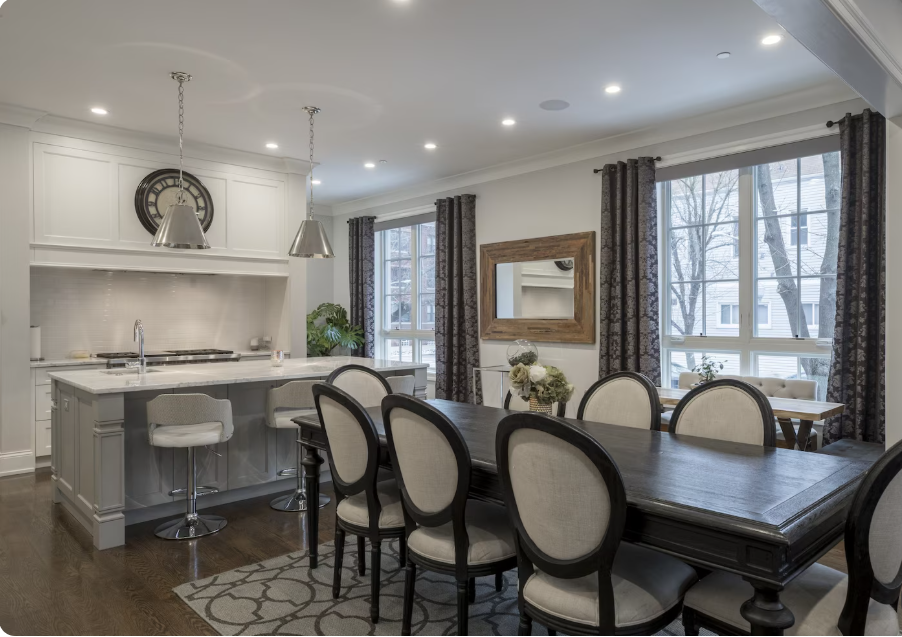
Lighting is an essential element of modern interior design, influencing how a room looks, feels, and functions. The right lighting can make a space appear more open, highlight architectural features, and provide comfortable illumination for everyday activities. Four-inch recessed LED lighting is a popular option for homeowners who want a clean ceiling appearance without bulky or hanging fixtures.
These compact lights are installed within a compatible ceiling cavity, leaving only the visible trim or light surface exposed. Their small size makes them suitable for kitchens, living rooms, bedrooms, hallways, bathrooms, and home offices. They can also be arranged in groups to provide general illumination or positioned strategically to highlight specific areas.
Choosing the right recessed lighting involves more than selecting a four-inch fixture. Brightness, color temperature, beam angle, ceiling construction, and installation requirements all influence performance. By understanding these factors, homeowners can create a lighting plan that balances visual appeal, functionality, and energy efficiency.
What Is Four-Inch Recessed LED Lighting?
Four-inch recessed LED lighting refers to compact ceiling fixtures designed to sit within a ceiling opening or recessed housing. Depending on the product, the stated four-inch size may refer to the nominal fixture size, trim size, or required ceiling cutout. Always check the manufacturer’s exact dimensions before purchasing.
Many modern models use integrated LED technology, which combines the light source and fixture into one unit. Other designs accept compatible replaceable bulbs or LED modules.
Unlike conventional surface-mounted fixtures, recessed lights keep most of their structure hidden above the ceiling. This creates a streamlined appearance that works well in minimalist and contemporary interiors.
Key Benefits of Four-Inch Recessed LED Lights
- Clean ceiling design: The compact fixture creates a neat appearance with minimal visual clutter.
- Energy efficiency: LED technology can reduce electricity consumption compared with less efficient traditional lighting.
- Flexible placement: Fixtures can be arranged to illuminate walkways, work areas, and decorative features.
- Multiple color temperatures: Warm, neutral, and cool lighting options accommodate different rooms.
- Modern styling: Recessed lights complement contemporary furniture, simple ceiling designs, and neutral color palettes.
- Reduced maintenance: Quality LED fixtures often have long rated operating lives.
- Versatile applications: They can provide ambient, task, or accent lighting depending on their output and beam distribution.
Popular Types of Four-Inch Recessed LED Lighting
Different recessed lighting styles serve different purposes. The best choice depends on your ceiling structure, desired appearance, and how you want the light to behave.
1. Standard Recessed LED Downlights
Standard recessed LED downlights direct illumination downward into the room. They are commonly used for general lighting in kitchens, bedrooms, living rooms, and hallways.
Their simple appearance makes them suitable for rooms where the ceiling should remain visually unobtrusive. Multiple downlights can be distributed across the ceiling to create more consistent coverage than a single central light.
When choosing a downlight, compare its lumen output and beam angle. A narrow beam may create concentrated pools of light, while a wider beam generally spreads illumination across a larger area.
2. Canless Four-Inch LED Lights
Canless recessed LED lights are compact fixtures that do not require a traditional recessed metal can housing. Many models include a thin light panel, spring clips, and a separate driver or junction box.
These fixtures can be useful for compatible false ceilings and renovation projects where a large housing would be inconvenient. Their shallow profile may help when ceiling space is limited, although the driver and wiring still require suitable space.
Before purchasing, verify the required cutout size, ceiling thickness compatibility, driver dimensions, and installation instructions.
3. Adjustable or Gimbal LED Lights
Adjustable recessed LED lights allow the light beam to be directed toward a selected surface or object. They are useful for highlighting artwork, textured walls, shelves, decorative niches, and architectural details.
A gimbal fixture can also help direct illumination toward a specific work area. However, the amount of adjustment varies between models, so check the product specifications if directional control is important.
For accent lighting, position the fixture to highlight the intended feature without producing distracting glare.
4. Dimmable Recessed LED Lights
Dimmable four-inch LED lights allow you to adjust brightness according to the activity or time of day. Bright illumination may be useful when cleaning or preparing food, while a lower setting can create a relaxed atmosphere in the evening.
Dimming performance depends on the fixture, driver, dimmer switch, and electrical system. Confirm that all components are compatible before installation.
A dimmable fixture is particularly useful in living rooms, dining areas, and bedrooms where lighting needs change throughout the day.
5. Selectable Color-Temperature LED Lights
Some recessed LED fixtures allow you to select a color temperature before or during installation. Common options include warm white, soft white, neutral white, and cooler daylight-like light.
This flexibility is useful when you are unsure which shade will best suit your interior. However, once you establish a preferred setting, keep the fixtures consistent within the same room for a more coordinated appearance.
How to Choose the Best Four-Inch Recessed LED Lights
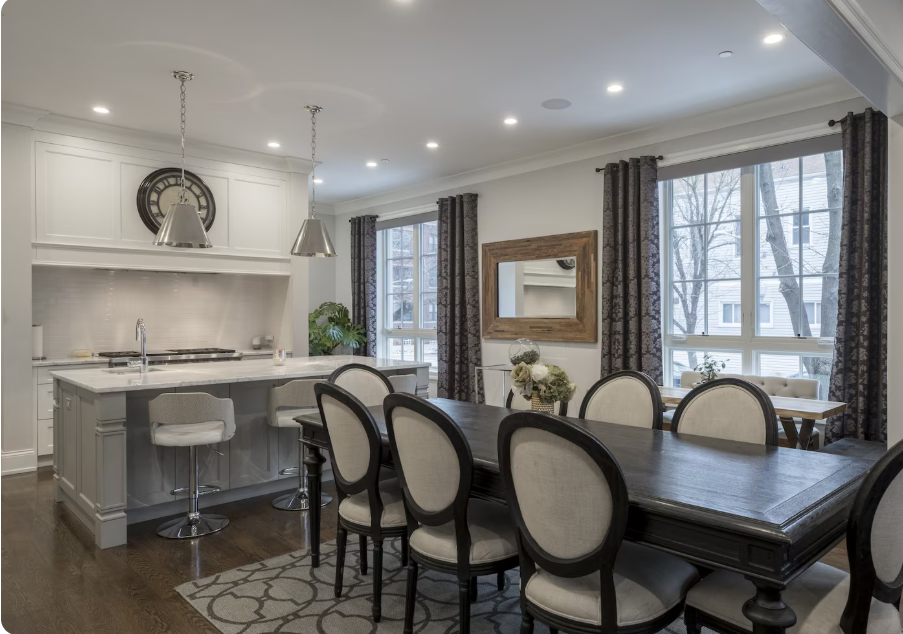
Selecting the right fixture begins with understanding the room’s lighting requirements.
Choose the Appropriate Brightness
Brightness is measured in lumens, while watts measure electricity consumption. Two LED fixtures with the same wattage can produce different amounts of light, so lumen output is an important comparison point.
A compact four-inch fixture may provide sufficient light for a hallway, closet, or accent area. A larger living room or kitchen may need several fixtures and additional task lighting.
Consider the ceiling height, wall colors, furniture layout, daylight availability, and activities performed in the space. Darker surfaces may absorb more light visually, while light-colored walls and ceilings can help reflect it.
Select the Right Color Temperature
Color temperature is measured in kelvins (K). It describes the appearance of the light rather than its brightness.
- 2700K: Warm white that creates a cozy, relaxing atmosphere.
- 3000K: Soft warm-white light suitable for many residential interiors.
- 3500K: A balanced option between warm and neutral light.
- 4000K: Neutral white that can suit kitchens, bathrooms, and work areas.
- 5000K: Cooler, daylight-like illumination that may be useful in specific task-oriented spaces.
For bedrooms and living rooms, warm-white lighting is often a comfortable choice. Kitchens and home offices may benefit from neutral-white lighting, depending on personal preference and the surrounding finishes.
Compare Beam Angles and Glare Control
The beam angle affects how widely light spreads from the fixture. A narrow beam concentrates light on a smaller area, while a wider beam provides broader coverage.
For general room lighting, wider distribution can help reduce dark gaps between fixtures. For accent lighting, a more focused beam may be useful.
Glare is another important consideration. Look for suitable diffusers, recessed light sources, or glare-control trims if the fixtures will be visible from seating areas or reflected in glossy surfaces.
Consider the Ceiling Type
Not every recessed light works with every ceiling. Measure the available space and check whether the fixture is designed for new construction or retrofit installation.
| Ceiling or project type | Suitable option | Important detail |
|---|---|---|
| Compatible false ceiling | Canless recessed LED light | Verify cutout and ceiling-thickness requirements. |
| New ceiling construction | New-construction housing or compatible canless fixture | Plan placement before the ceiling is closed. |
| Existing finished ceiling | Retrofit recessed LED fixture | Check access, wiring, and opening dimensions. |
| Ceiling with limited depth | Shallow-profile fixture | Confirm driver and junction-box clearance. |
| Insulated ceiling | Fixture approved for the installation conditions | Check insulation-contact and thermal requirements. |
Where to Install Four-Inch Recessed LED Lighting
Four-inch recessed fixtures are versatile, but their placement should be planned around the function of each room.
Living Rooms
In living rooms, recessed lights can provide general illumination without competing with decorative furniture or artwork. They can be arranged around the perimeter or distributed according to the seating layout.
For a more comfortable atmosphere, combine recessed lights with floor lamps, table lamps, or indirect ceiling lighting. This layered approach gives you greater control over brightness and mood.
Avoid placing every light in an evenly spaced grid without considering the furniture. A carefully planned layout can illuminate useful areas while reducing glare.
Kitchens
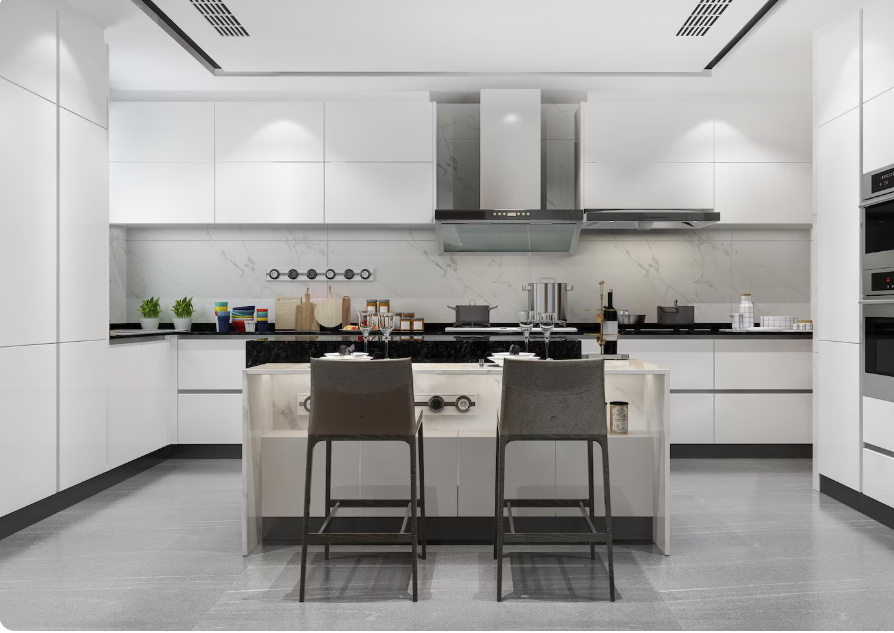
Kitchens need general lighting as well as focused illumination for food preparation. Four-inch recessed LED lights can provide overhead light, while under-cabinet fixtures can brighten countertops and reduce shadows.
Plan the layout according to the location of cabinets, counters, islands, and cooking areas. If the ceiling lights are positioned directly behind someone standing at a counter, their body may block some of the light.
Neutral-white lighting is a common choice for kitchens, although the ideal color temperature depends on your preferred atmosphere and finishes.
Bedrooms
Bedrooms benefit from lighting that supports both practical tasks and relaxation. Warm-white recessed lights can provide comfortable general illumination, while dimmable fixtures make it easier to lower brightness before bedtime.
Avoid placing very bright lights directly above the pillow area if they cause discomfort when viewed from the bed. Bedside lamps can provide more comfortable reading light.
Bathrooms
Four-inch recessed LED lights can provide general illumination in bathrooms and work alongside vanity lights or mirror lighting.
Because bathrooms contain moisture, select fixtures with the appropriate rating for their exact installation location. Areas close to showers and bathtubs may have additional electrical requirements.
Consult a qualified electrician when determining suitable fixture ratings and placement for wet or damp areas.
Hallways and Closets
Compact recessed lights can illuminate hallways and closets without taking up wall or floor space. In hallways, arrange the lights to create a consistent path of illumination rather than isolated bright spots.
In closets, consider the height of shelves and hanging clothes to avoid unwanted shadows. Choose fixtures suitable for the environment and follow any applicable local electrical requirements.
Understanding Brightness, Wattage, and Fixture Quantity
The number of fixtures required depends on room dimensions, light output, ceiling height, and how evenly you want the room illuminated. A four-inch size alone does not indicate how bright a light will be.
The following table provides a general comparison of lighting goals. These are qualitative starting points, not a substitute for a room-specific lighting calculation.
| Lighting goal | Recommended approach | Suitable application |
|---|---|---|
| Soft ambient lighting | Warm light with controlled brightness | Bedrooms and relaxed living areas |
| General room lighting | Multiple fixtures with suitable beam coverage | Living rooms and hallways |
| Task lighting | Adequate lumen output plus focused lighting where needed | Kitchen counters and work areas |
| Accent lighting | Directional or adjustable beam | Artwork and feature walls |
| Flexible mood lighting | Compatible dimmable fixtures | Dining and multipurpose rooms |
For an accurate plan, estimate the total light required for the room and divide it across appropriately selected fixtures. Then review spacing, beam overlap, and possible shadows. An electrician or lighting designer can help with more complex layouts or high ceilings.
Installation and Safety Considerations
Recessed lighting requires careful planning because the fixture sits inside the ceiling structure.
Measure Before Cutting
Mark the proposed locations and check for ceiling joists, pipes, wiring, insulation, and other obstructions. Confirm the manufacturer’s cutout dimensions rather than assuming every four-inch light needs a four-inch opening.
For new construction, plan the positions before installing the finished ceiling. For retrofit work, verify that the existing opening and available cavity are suitable for the replacement fixture.
Check Insulation and Thermal Ratings

Fixtures installed near ceiling insulation must be approved for the relevant conditions. Verify the manufacturer’s insulation-contact rating and any required clearance.
Do not cover a fixture or driver with insulation unless the product instructions explicitly permit it.
Use Qualified Electrical Assistance
Electrical work must comply with local rules and the manufacturer’s instructions. Turn off the relevant circuit and verify that power is disconnected before work begins.
If you are unfamiliar with electrical wiring, new circuits, ceiling modifications, or bathroom installations, use a qualified electrician. Proper installation helps reduce the risk of electrical faults, overheating, and damage to the ceiling.
Common Mistakes to Avoid
- Choosing by size alone: Compare lumen output, beam angle, and light quality.
- Overcrowding the ceiling: Too many fixtures can create glare and an overly busy appearance.
- Ignoring dimmer compatibility: Confirm compatibility before connecting dimmable lights.
- Mixing color temperatures randomly: Consistent lighting generally creates a more polished room.
- Forgetting the ceiling structure: Check available depth, joists, insulation, and wiring before purchasing.
- Using unsuitable fixtures in bathrooms: Verify the required environmental rating for the exact location.
- Relying only on recessed lighting: Add task or decorative lighting where necessary.
Conclusion
Four-inch recessed LED lighting is an excellent option for homeowners who want compact fixtures, a clean ceiling design, and flexible illumination. Its smaller profile works well in hallways, bedrooms, kitchens, bathrooms, and contemporary living spaces.
The best results come from matching the fixture to the room rather than choosing lights based on appearance alone. Consider lumen output, color temperature, beam angle, ceiling depth, dimming compatibility, and installation conditions before making a purchase.
With thoughtful placement and suitable fixture selection, four-inch recessed LED lights can provide attractive, practical lighting while keeping the ceiling design simple and uncluttered.
Frequently Asked Questions
1. What are four-inch recessed LED lights used for?
They are used for general, task, and accent lighting in homes and commercial interiors. Their compact design is particularly useful in hallways, kitchens, bedrooms, closets, and rooms with contemporary ceilings.
2. Are four-inch recessed LED lights bright enough for a living room?
They can be, depending on their lumen output, beam angle, ceiling height, and the size of the room. Larger living rooms may require several fixtures combined with additional lighting.
3. What color temperature is best for four-inch recessed LED lighting?
Warm white around 2700K–3000K is often suitable for bedrooms and living rooms. Neutral white around 3500K–4000K may work well in kitchens, bathrooms, and task-focused areas.
4. Can four-inch recessed LED lights be installed in an existing ceiling?
Yes, many retrofit and canless models are designed for existing ceilings. However, you must confirm the cutout dimensions, available ceiling space, wiring requirements, and compatibility with the existing installation.
5. Are four-inch recessed LED lights energy-efficient?
LED fixtures generally use less electricity than comparable traditional lighting technologies. Actual savings depend on the fixture’s efficiency, the brightness required, operating hours, and the lights being replaced.

One thought on “4-Inch Recessed LED Lighting Ideas for Modern Homes”