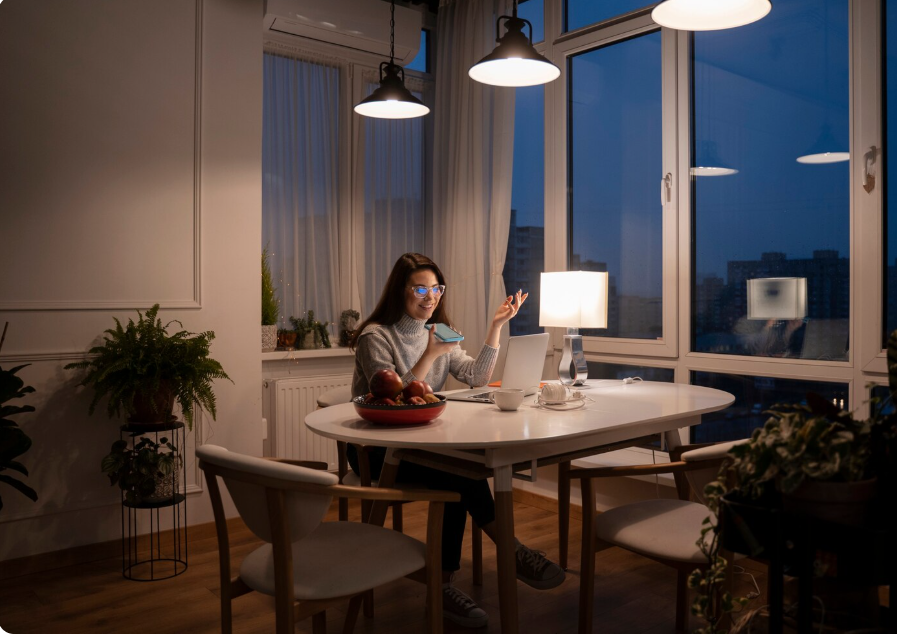
Lighting plays an important role in making a home feel comfortable, welcoming, and visually spacious. When a room has limited square footage, the right lighting choices can improve its appearance without requiring major renovations. From compact apartments and small bedrooms to narrow hallways and tiny living rooms, thoughtful lighting can help create a brighter and more functional environment.
The best tips for lighting small spaces focus on more than choosing bright bulbs. They include maximizing natural daylight, combining different light sources, selecting space-saving fixtures, illuminating dark corners, and choosing the right color temperature.
Whether you are decorating a small apartment, updating a bedroom, or improving a compact living area, a well-planned lighting arrangement can make everyday activities easier while adding style to your interior.
1. Use Layered Lighting to Create a Spacious Feel
One of the most effective ways to improve lighting in a small room is to combine different types of lighting instead of relying on a single ceiling fixture.
Layered lighting typically includes three main categories:
- Ambient lighting: Provides general illumination throughout the room.
- Task lighting: Directs light toward activities such as reading, cooking, studying, or working.
- Accent lighting: Highlights artwork, shelves, architectural details, or decorative features.
Using these layers creates depth and helps prevent a room from appearing flat or overly bright in one area and dark in another. <Cite refs={[“turn908249search8″,”turn908249news13”]}/>
For example, a small living room might use a flush ceiling light for general illumination, a table lamp beside the sofa for reading, and a wall light to highlight artwork.
You do not need many expensive fixtures to achieve this effect. A few carefully positioned lights can make a noticeable difference.
2. Maximize Natural Light During the Day
Natural daylight is one of the simplest ways to make a compact room feel open and inviting. Before purchasing additional lighting, consider how much sunlight already enters your home and whether anything blocks it.
Keep window areas as clear as possible and avoid placing tall furniture directly in front of windows. Light-colored curtains or sheer window treatments can help maintain privacy while allowing daylight to enter.
Other useful ideas include:
- Clean windows regularly to improve light transmission.
- Choose light-filtering curtains instead of heavy, dark drapes where practical.
- Position desks or seating near windows when appropriate.
- Use pale wall finishes to help distribute daylight.
- Avoid unnecessary window coverings that make rooms feel enclosed.
If your room receives little natural light, consider a combination of well-distributed ceiling lights, wall fixtures, and lamps. In some homes, skylights or roof windows may be an option, although these require suitable construction and weatherproofing.
3. Choose the Right Light Fixtures for Small Rooms
Large, bulky fixtures can dominate a compact room and interfere with the visual flow of the space. Choosing lighting with an appropriate scale helps maintain an uncluttered appearance.
Flush-Mount Ceiling Lights
Flush-mount lights sit close to the ceiling, making them useful for rooms with limited ceiling height. They provide general illumination without hanging low over walkways or furniture.
They are suitable for small bedrooms, entryways, kitchens, and compact living rooms.
Recessed Lighting
Recessed lights are installed within the ceiling and can provide a clean, streamlined appearance. When positioned thoughtfully, they can illuminate different areas without adding visual clutter.
Avoid placing too many recessed lights in a small room. Their spacing, brightness, and beam direction should be planned to provide comfortable illumination without glare.
Wall-Mounted Lights
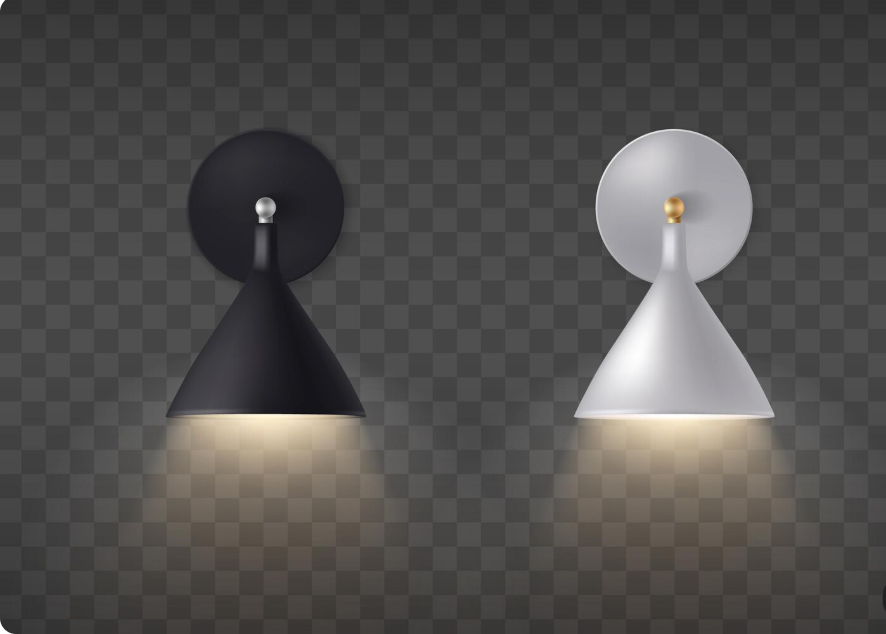
Wall sconces are useful when floor and table space are limited. They can illuminate a reading corner, brighten a hallway, or add visual interest beside a bed.
Swing-arm wall lamps are particularly practical because they can direct light where it is needed.
Pendant Lights
A compact pendant can create a focal point above a dining table or kitchen counter. However, the fixture should be proportionate to the room and positioned at a suitable height.
Avoid low-hanging pendants where people need to walk underneath them.
4. Use Mirrors to Reflect Light
Mirrors can help a small room feel brighter by reflecting available daylight and artificial illumination. Their effectiveness depends on what they reflect and where they are positioned.
Placing a mirror opposite or beside a window may help spread daylight through the room. A mirror that reflects a well-lit wall or attractive feature can also create a sense of visual depth.
For the best results:
- Place mirrors where they can reflect useful light.
- Consider a larger mirror instead of several small decorative pieces.
- Avoid positioning mirrors where they create uncomfortable glare.
- Make sure reflections do not emphasize clutter.
- Combine mirrors with layered lighting for a balanced effect.
Mirrors do not generate light themselves, so they work best when paired with an existing light source. <Cite refs={[“turn908249search3″,”turn908249search8”]}/>
5. Select the Best Light Bulb Color Temperature
Color temperature affects how a room looks and feels. It is measured in kelvins (K), with lower numbers generally appearing warmer and higher numbers appearing cooler.
For small spaces, choosing an appropriate color temperature can improve comfort and create a consistent visual atmosphere.
| Color temperature | Appearance | Suitable areas |
|---|---|---|
| 2700K–3000K | Warm and relaxing | Bedrooms, living rooms, cozy corners |
| 3000K–3500K | Warm-neutral | Dining areas and general home lighting |
| 3500K–4000K | Neutral white | Kitchens, bathrooms, study areas |
| 5000K and above | Cool, daylight-like | Specific task areas where this appearance is preferred |
These ranges are general guidelines rather than strict rules. The best choice depends on the room’s purpose, wall colors, daylight, and personal preference.
Warm white lighting often works well in living rooms and bedrooms because it creates a relaxed atmosphere. Neutral white may be more useful where people need to see details clearly, such as kitchen worktops or study desks.
Try to maintain a reasonably consistent color temperature within connected spaces to avoid a visually mismatched appearance.
6. Brighten Dark Corners and Shadowy Areas
Dark corners can make a small room appear smaller than it really is. Lighting these areas can improve visual balance and make the entire space feel more inviting.
Instead of increasing the brightness of a single ceiling light, distribute illumination around the room.
Consider adding a slim floor lamp beside a chair, a small wall light near a doorway, or LED lighting beneath a shelf. A light directed toward a darker wall can also help soften the contrast between bright and shadowy areas.
In a small bedroom, bedside wall lights can free up nightstand space while illuminating the areas where you read or get ready for bed.
The goal is to create balanced lighting rather than eliminating every shadow. Some gentle contrast adds depth and helps the room feel comfortable.
7. Install Under-Cabinet and Shelf Lighting
Under-cabinet lighting is particularly useful in small kitchens because it illuminates work surfaces without taking up valuable counter space.
LED strips or compact fixtures installed beneath cabinets can improve visibility when preparing food. They can also make a kitchen feel more polished by reducing shadows created by overhead cabinets.
Shelf lighting can highlight books, decorative objects, or collections without requiring additional floor lamps.
These lighting options work well in:
- Compact kitchens.
- Small home offices.
- Bedroom wardrobes.
- Floating shelves.
- Display cabinets.
- Built-in storage units.
Choose fixtures designed for their installation environment, especially around water or cooking areas. Fixed electrical work should be installed safely and in accordance with applicable requirements.
8. Use Vertical Lighting to Make Ceilings Feel Higher
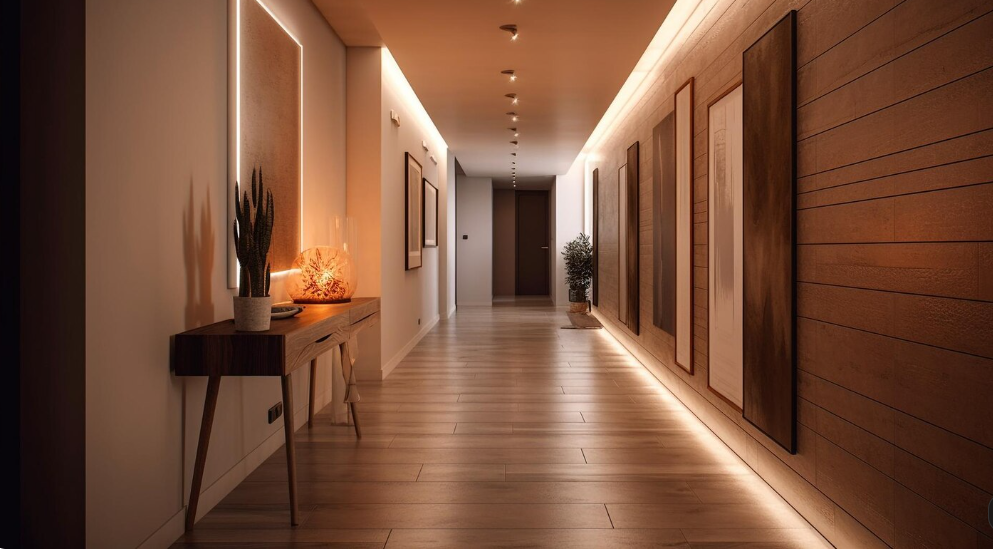
Lighting can influence how people perceive the height and proportions of a room. Directing some illumination upward or along vertical surfaces can draw attention toward the ceiling and make the space feel more open.
Wall sconces that cast light upward, carefully positioned picture lights, and indirect ceiling lighting can help create this effect.
Tall floor lamps can also draw the eye upward, provided they do not occupy too much floor space.
For rooms with low ceilings, avoid oversized chandeliers or fixtures that hang too low. Choose compact ceiling lights and use wall-mounted options to keep the room visually uncluttered.
9. Add Dimmers for Flexible Lighting
Dimmable lighting allows you to adjust brightness according to the time of day and the activity taking place.
A small living room may need brighter illumination for cleaning, reading, or entertaining. In the evening, a lower setting can create a relaxed atmosphere.
Dimmers can be particularly helpful in multi-purpose spaces that serve as both work areas and places to unwind.
Before purchasing dimmable bulbs, check that they are compatible with the dimmer switch and fixture. Not all LED bulbs support dimming, and incompatible combinations may flicker or operate poorly.
Smart bulbs can provide another option for adjusting brightness and, on supported models, color temperature through an application or voice assistant.
10. Choose Energy-Efficient LED Lighting
LED lighting is a practical choice for small homes because it offers a wide range of fixture sizes, brightness levels, and color temperatures.
Many LED products use less electricity than comparable traditional incandescent bulbs and have long rated lifespans. Actual energy savings depend on the product, operating hours, and the lighting being replaced.
When selecting LED bulbs, consider more than wattage. Wattage indicates electricity consumption, while lumens describe the amount of light produced.
Look for the following details:
- Lumens: Help you compare light output.
- Color temperature: Determines whether the light appears warm or cool.
- Color rendering: Indicates how naturally colors appear under the light.
- Dimming compatibility: Matters if you want adjustable brightness.
- Rated lifespan: Helps you compare expected service life.
Choosing an appropriate light output is more important than simply selecting the highest-wattage bulb.
11. Lighting Ideas for Different Small Spaces
Different rooms need different lighting arrangements. A compact kitchen requires practical work lighting, while a small bedroom benefits from comfortable, adjustable illumination.
| Small space | Recommended lighting | Main benefit |
|---|---|---|
| Living room | Ceiling light, table lamp, wall lighting | Creates depth and flexible ambience |
| Bedroom | Soft ceiling light and bedside lamps | Supports relaxation and reading |
| Kitchen | General lighting and under-cabinet LEDs | Improves visibility on work surfaces |
| Bathroom | Ceiling light and suitable mirror lighting | Supports grooming and everyday tasks |
| Hallway | Flush-mount lights or wall sconces | Keeps circulation areas bright |
| Home office | General light and adjustable desk lamp | Improves visibility for focused work |
| Studio apartment | Layered lighting with separate controls | Helps distinguish different activity zones |
Small Living Room Lighting
Combine general illumination with a lamp near the sofa and a light that highlights artwork or shelving. Avoid relying on a single bright overhead fixture, which can leave corners dark and create a flat appearance.
Small Bedroom Lighting
Use a soft general light with bedside wall lamps or compact table lamps. Separate controls allow you to turn off the main light while keeping a reading light available.
Small Kitchen Lighting
Prioritize clear illumination over work surfaces, cooking areas, and the sink. Under-cabinet lights can supplement ceiling fixtures and reduce shadows.
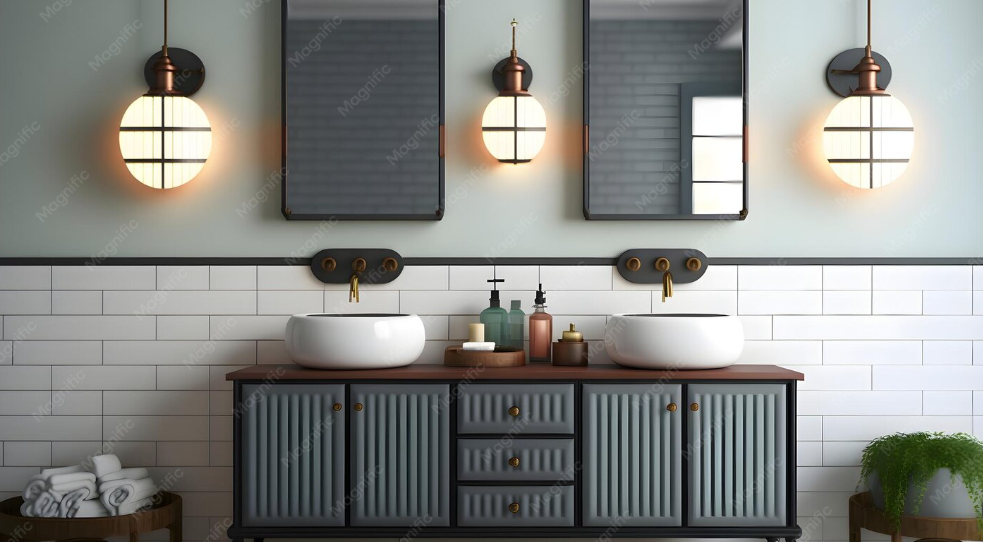
Small Bathroom Lighting
Use suitable bathroom-rated fixtures where required. Lighting around the mirror should help illuminate the face evenly rather than create harsh shadows from above. Electrical fittings near water must meet local safety requirements.
12. Common Lighting Mistakes to Avoid in Small Spaces

Even attractive lighting fixtures can make a small room uncomfortable if they are poorly selected or positioned.
Avoid these common mistakes:
- Using only one light source: This can leave corners dark and reduce visual depth.
- Choosing oversized fixtures: Large lights may overwhelm the available space.
- Ignoring task lighting: Reading, cooking, and working may become uncomfortable.
- Mixing incompatible color temperatures: Strongly contrasting light colors can make connected rooms feel disjointed.
- Overusing decorative lights: Too many fixtures can create visual clutter.
- Choosing brightness without considering comfort: Excessive glare can make a small room unpleasant.
- Blocking natural daylight: Heavy curtains and poorly positioned furniture can reduce available light.
A simple lighting plan with a few well-chosen fixtures is often more effective than adding lights without a clear purpose.
Conclusion
The best tips for lighting small spaces focus on balancing brightness, comfort, and visual openness. Layered lighting, natural daylight, mirrors, space-saving fixtures, and carefully selected bulbs can help a compact room feel more welcoming without requiring a major renovation.
Start by identifying the room’s main activities and the areas that need better illumination. Add task lighting where necessary, brighten dark corners, and choose fixtures that fit the room’s dimensions. Dimmers and energy-efficient LEDs can provide additional flexibility.
With a thoughtful approach, even a small bedroom, apartment, kitchen, or living room can feel brighter, more functional, and beautifully designed.
Frequently Asked Questions About Lighting Small Spaces
1. What is the best lighting for small spaces?
Layered lighting is an effective choice because it combines general illumination, task lighting, and accent lighting. This approach helps reduce dark corners and creates a more balanced appearance.
2. Which light color makes a small room look bigger?
Warm white and warm-neutral lighting often create a comfortable, welcoming appearance in living rooms and bedrooms. The best color temperature depends on the room’s purpose, finishes, and available daylight.
3. Do mirrors help make small rooms brighter?
Yes. Mirrors can reflect existing daylight and artificial light, helping distribute illumination and create a greater sense of depth. Their placement matters because they work best when reflecting a useful light source or attractive view.
4. Are recessed lights good for small rooms?
Recessed lights can work well in small rooms because they sit within the ceiling and do not take up visual space. They should be positioned carefully to provide even illumination and avoid glare.
5. How can I improve lighting in a small room without renovating?
Start by opening window areas, using lighter window treatments, adding a table or floor lamp, and placing a mirror where it can reflect available light. You can also use plug-in wall lights or suitable LED lamps to brighten dark corners without changing the electrical layout.


One thought on “Best Tips for Lighting Small Spaces and Making Rooms Feel Bigger”