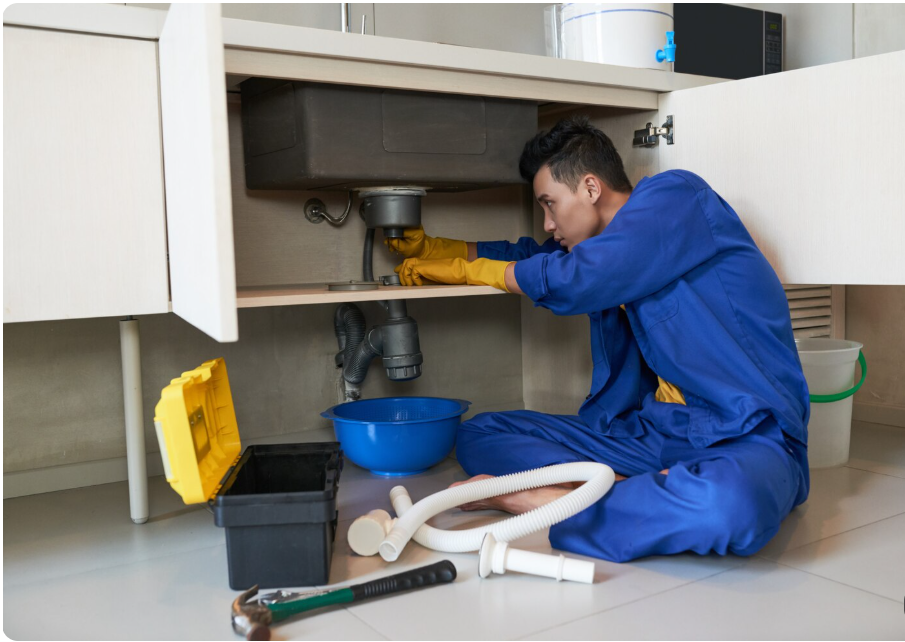
A running toilet is one of the most common plumbing problems homeowners experience. Although it may seem like a small inconvenience, a toilet that continues running after flushing can waste water, increase utility bills, and indicate worn or damaged components inside the tank. Finding the cause early can help you avoid unnecessary expenses and restore your bathroom’s proper functioning.
Hiring a professional plumber for a running toilet is an effective way to identify the problem and determine the right repair. From replacing a faulty flapper to adjusting a fill valve, an experienced plumber can diagnose the issue and recommend a practical solution.
In this guide, you will learn why toilets keep running, which repairs may be needed, how to choose a reliable plumber, and how regular maintenance can help prevent future problems.
Why Does a Toilet Keep Running?
A toilet tank contains several components that work together to control water flow. When one of these parts becomes worn, damaged, or incorrectly adjusted, the toilet may continue running even after the flushing cycle is complete.
Common warning signs include:
- Water continuously flowing into the toilet bowl.
- A hissing sound coming from the tank.
- The toilet refilling without anyone flushing it.
- Water moving through the overflow tube.
- A handle that sticks or does not return properly.
- Higher-than-normal water consumption.
Understanding these symptoms can help you describe the issue accurately when contacting a plumbing professional.
Common Causes of a Running Toilet
1. Worn-Out Toilet Flapper
The flapper is a rubber or plastic seal located at the bottom of the toilet tank. It lifts when you flush and closes afterward to keep water inside the tank.
Over time, the flapper can become brittle, warped, or covered with mineral deposits. If it cannot create a tight seal, water slowly leaks into the bowl, causing the tank to refill repeatedly.
Solution: A plumber can inspect the flapper, clean the sealing surface, or replace the component if it is damaged.
2. Faulty Fill Valve
The fill valve controls how water enters the toilet tank after flushing. When the tank reaches the correct level, the valve should stop the water supply.
A defective fill valve may continue allowing water into the tank, produce a hissing noise, or cause water to flow into the overflow tube.
Solution: Depending on the condition of the valve, a plumber may clean, adjust, or replace it.
3. Incorrect Float Adjustment
The float rises as the tank fills and signals the fill valve to shut off. If it is positioned too high, the water level may rise above the recommended point.
This can cause excess water to flow into the overflow tube, making it seem as though the toilet never stops running.
Solution: A plumber can adjust the float to the correct level or replace a damaged float mechanism.
4. Damaged Flush Valve Seal
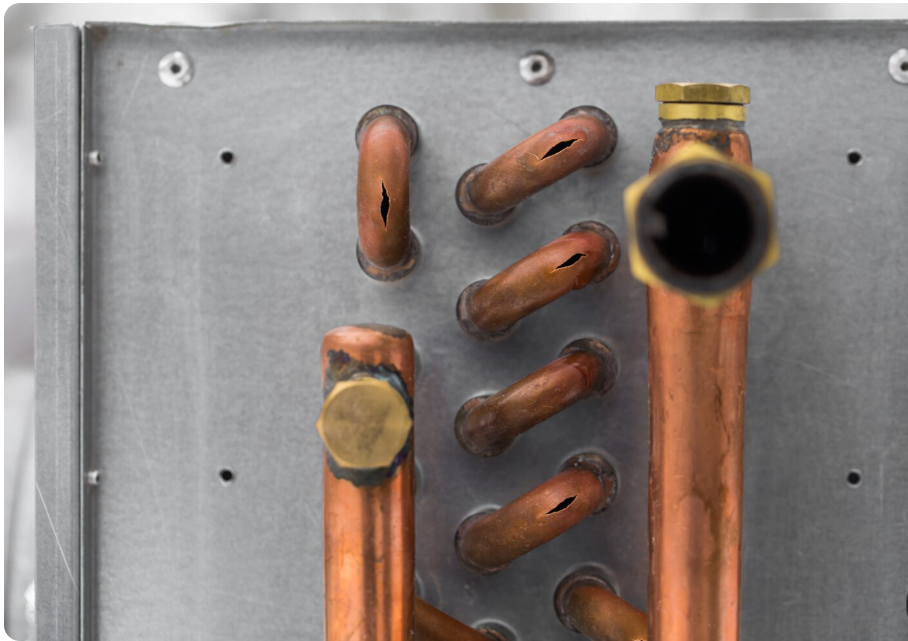
The flush valve opening releases water from the tank into the bowl during flushing. Its seal must close properly to prevent water from escaping afterward.
A worn or damaged seal may allow continuous leakage into the bowl.
Solution: The plumber can inspect the seal and determine whether it can be replaced separately or whether the flush valve assembly needs attention.
5. Loose Handle or Incorrect Chain Length
The toilet handle connects to the flapper through a chain or lifting mechanism. If the chain becomes tangled, too tight, or caught beneath the flapper, the seal may not close properly.
Solution: Adjusting the chain or repairing the handle mechanism may resolve the problem. If the parts are damaged, replacement may be necessary.
How a Professional Plumber Repairs a Running Toilet
Hiring a professional can help you avoid guesswork and unnecessary replacement costs. A typical repair process includes several steps.
Step 1: Inspect the Toilet Tank
The plumber removes the tank lid and examines the flapper, fill valve, float, chain, and overflow tube.
Step 2: Identify the Source of the Problem
The plumber observes the water level and flushing cycle to determine whether water is leaking through the flush valve or entering the tank continuously.
Step 3: Recommend the Appropriate Repair
Depending on the diagnosis, the plumber may adjust the float, replace the flapper, repair the handle mechanism, or install a new fill valve.
Step 4: Replace Damaged Components
The plumber removes the defective part and installs a compatible replacement. If the toilet has an unusual or older design, finding the correct component may require additional inspection.
Step 5: Test the Toilet
After the repair, the plumber flushes the toilet several times to confirm that the tank refills correctly, the water stops flowing, and no leaks remain.
This systematic approach helps ensure that the repair addresses the underlying problem rather than just the symptoms.
Running Toilet Repair Costs
The price of hiring a plumber depends on the repair required, the cost of replacement parts, local labor rates, and whether the service is urgent.
The following figures are illustrative estimates in US dollars, not guaranteed prices.
| Type of repair | Estimated cost |
|---|---|
| Float adjustment | $50–$100 |
| Flapper replacement | $60–$150 |
| Fill valve replacement | $75–$200 |
| Flush valve repair | $100–$250 |
| Multiple component repairs | $150–$350 or more |
Actual costs may differ significantly by location and plumbing system.
Factors That Affect Plumbing Costs
Several factors can influence your final bill:
- Labor charges: Some plumbers charge a flat service fee, while others charge by the hour.
- Replacement parts: Specialized or manufacturer-specific components may cost more.
- Toilet condition: Corrosion, brittle fittings, and older components can make repairs more difficult.
- Emergency service: Evening, weekend, or holiday appointments may involve additional charges.
- Additional damage: A leaking supply connection or faulty shutoff valve may require separate repairs.
Before work begins, request a written or itemized estimate explaining labor, parts, and any additional fees.
DIY Repair or Professional Plumbing Service?
Some running toilet problems are simple enough for homeowners to troubleshoot. Others require plumbing experience or replacement parts.
| Consideration | DIY repair | Professional plumber |
|---|---|---|
| Best suited for | Basic adjustments | Persistent or complex problems |
| Typical work | Checking the chain or float | Replacing valves and diagnosing leaks |
| Equipment | Basic household tools | Plumbing tools and compatible parts |
| Main benefit | May reduce labor expenses | Professional diagnosis and repair |
| Main concern | Incorrect adjustment or accidental damage | Service fees and scheduling |
If the problem appears to be a loose chain or an incorrectly positioned float, a simple adjustment may help. However, if the toilet continues running after basic checks, professional assistance can prevent repeated trial-and-error repairs.
How to Choose the Best Plumber for a Running Toilet
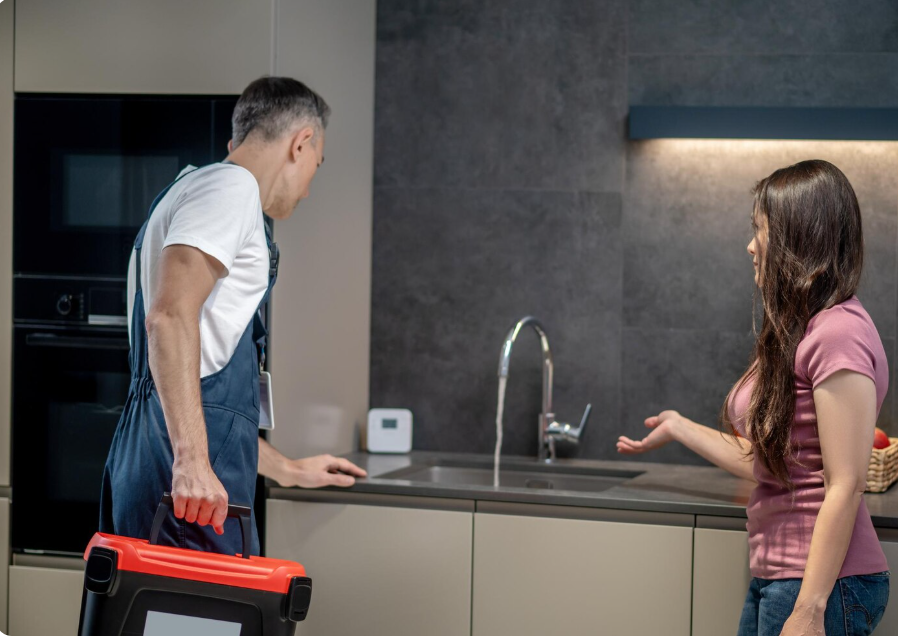
Finding a reliable plumber is important for obtaining a lasting repair and avoiding unexpected expenses.
Check Experience and Qualifications
Choose a plumber with experience repairing toilets, replacing internal tank components, and diagnosing water leaks. Verify licensing or registration where required by local regulations.
Compare Estimates
Contact more than one provider when practical. Ask whether the quoted price includes inspection, labor, replacement parts, and follow-up work.
Read Customer Reviews
Recent customer feedback can help you assess punctuality, communication, workmanship, and overall service quality.
Ask About Parts and Warranties
Find out whether replacement parts are covered by a manufacturer’s warranty and whether the plumber offers any guarantee on labor.
Confirm Availability
If the toilet is continuously running but not overflowing, a routine appointment may be sufficient. If water is flooding the bathroom or leaking significantly, prioritize urgent service.
A good plumber should explain the problem clearly, provide repair options, and obtain your approval before proceeding with additional work.
Benefits of Hiring a Professional Plumber
Reduces Water Waste
A running toilet can allow water to flow continuously or refill repeatedly. Repairing the cause helps prevent avoidable water consumption.
Helps Prevent Recurring Problems
A professional can identify worn components and recommend compatible replacements, reducing the likelihood of repeated failures.
Saves Time
Rather than purchasing several replacement parts without knowing the cause, you can have the system inspected and repaired according to its actual condition.
Protects Bathroom Fixtures
Promptly addressing leaks can help prevent water from accumulating around the toilet and damaging nearby flooring or other surfaces.
Provides Practical Maintenance Advice
A plumber can explain which parts may need monitoring and how to recognize early signs of future problems.
Tips to Prevent Your Toilet From Running Again
Regular checks can help maintain your toilet’s performance and catch problems before they become more serious.
- Inspect the flapper: Look for visible deterioration, warping, or an incomplete seal.
- Check the chain: Ensure it moves freely and does not prevent the flapper from closing.
- Monitor the water level: Confirm that water does not continuously enter the overflow tube.
- Avoid forcing the handle: A handle that sticks may indicate a problem with the lifting mechanism.
- Use compatible replacement parts: Select components designed for your toilet model.
- Address unusual sounds: Hissing or unexpected refilling may indicate a faulty seal or valve.
- Schedule repairs promptly: Do not ignore recurring problems simply because the toilet still flushes.
If a toilet frequently refills on its own, consider arranging an inspection even if the water flow stops temporarily.
When Should You Call an Emergency Plumber?
Not every running toilet requires emergency service, but certain situations deserve immediate attention.
Contact a plumber urgently if:
- The toilet is overflowing.
- Water is spreading across the bathroom floor.
- A supply line or connection is leaking heavily.
- The shutoff valve is not working and water cannot be stopped.
- Water is damaging ceilings, walls, or flooring.
If it is safe to do so, turn off the toilet’s shutoff valve to limit water flow. Do not force a stuck valve. If flooding continues, seek urgent professional assistance.
Conclusion
A running toilet can waste water, increase household expenses, and create unnecessary frustration. Common causes include a damaged flapper, faulty fill valve, incorrect float adjustment, and a worn flush valve seal.
Although basic troubleshooting may resolve a minor issue, persistent running often requires a professional diagnosis. A qualified plumber can identify the faulty component, recommend the appropriate repair, and test the toilet to confirm that it functions correctly.
By comparing estimates, checking qualifications, and scheduling repairs promptly, homeowners can restore their toilet’s performance and reduce the risk of recurring plumbing problems.
Frequently Asked Questions
1. Why does my toilet keep running after I flush?
A toilet may continue running because the flapper is not sealing properly, the fill valve is defective, the float is incorrectly adjusted, or the handle chain is preventing the flapper from closing. Inspecting the tank can help identify the likely cause.
2. How much does a plumber charge to fix a running toilet?
The cost depends on the problem, parts, labor rates, and service-call fees. Simple adjustments and flapper replacements generally cost less than replacing a flush valve or repairing several components. Ask your local plumber for an itemized estimate.
3. Can a running toilet increase my water bill?
Yes. A toilet that continuously leaks water into the bowl or repeatedly refills can waste water even when nobody is using it. Repairing the problem promptly can help reduce unnecessary water consumption.
4. Can I fix a running toilet without calling a plumber?
You may be able to resolve a simple problem by checking the handle chain or adjusting an accessible float. A flapper replacement may also be manageable if you follow the manufacturer’s instructions. Persistent running, difficult valve repairs, or significant leaks should be inspected by a professional.
5. How quickly should a running toilet be repaired?
A running toilet should be addressed as soon as practical to reduce water waste. If the toilet is overflowing, flooding the bathroom, or causing property damage, seek urgent plumbing assistance. If the issue is limited to continuous tank refilling, arrange a repair promptly rather than ignoring it.


One thought on “Plumber for Running Toilet: Expert Repair Tips, Common Causes, and Cost-Effective Solutions”