The Importance of Special Education in Inclusive Learning
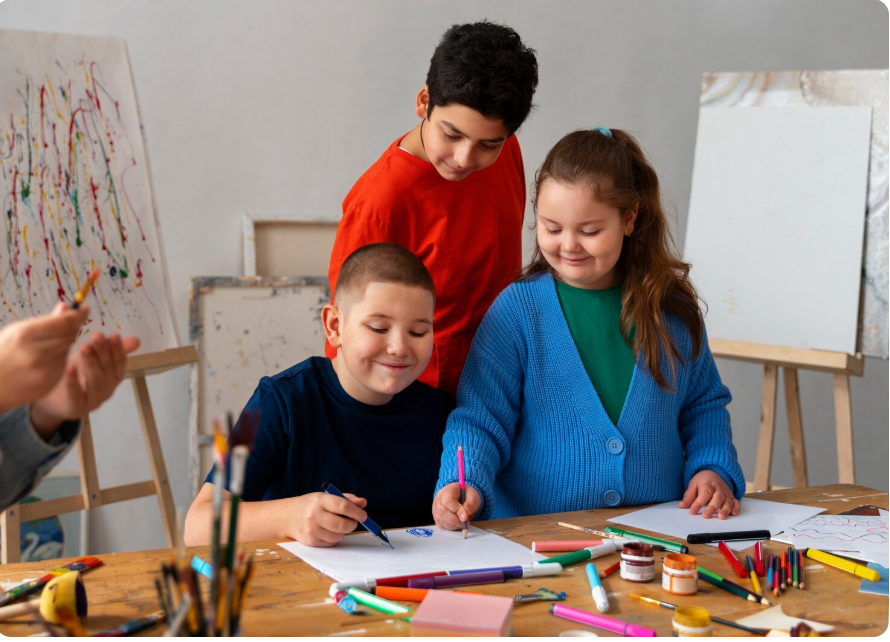
Special education plays a critical role in ensuring that all students, regardless of their abilities, have the opportunity to succeed in their academic and personal lives. It encompasses tailored educational services and strategies designed to meet the unique needs of students with disabilities or learning differences. Special education provides students with the support, resources, and individualized instruction necessary to help them reach their full potential. By focusing on inclusive learning, special education ensures that every student can access a high-quality education and develop the skills they need to thrive both in school and beyond.
Adapting Special Education to Meet Diverse Needs
Special education is not a one-size-fits-all approach; it is designed to adapt to the specific needs of each student. The diversity of disabilities and learning differences requires flexibility and creativity in educational practices. Whether a student has a physical disability, learning disability, sensory impairment, or emotional disturbance, special education teachers tailor their teaching methods to accommodate individual needs. Through differentiated instruction, assistive technology, and specialized learning tools, special education ensures that students are not only included in the classroom but can also actively engage with the curriculum at their own pace. This adaptive approach helps create a learning environment where every student can participate, progress, and excel.
Personal Growth Through Special Education
One of the most profound impacts of special education is its role in fostering personal growth and self-esteem. By providing individualized support, students with disabilities or learning differences can build confidence in their abilities and overcome challenges. Special education emphasizes the development of life skills, social-emotional learning, and self-advocacy. Students are taught how to navigate social interactions, manage their emotions, and make decisions that contribute to their well-being. This holistic approach not only enhances academic success but also supports personal growth, helping students become more independent and confident in their lives outside of school.
Bridging the Gap Between Traditional and Special Education
Special education serves to bridge the gap between traditional educational methods and the unique needs of students who require additional support. While mainstream education may focus on one-size-fits-all instructional strategies, special education is highly personalized, focusing on what works best for the individual student. Collaborative teaching, where special education teachers work alongside general educators, ensures that all students have access to the same curriculum, with modifications and accommodations as needed. By fostering collaboration between special and general education teachers, schools can create more inclusive and supportive learning environments that benefit all students, including those with disabilities.
Why Schools Invest in Special Educatio
Schools invest in special education because it is crucial for ensuring that all students have equal access to education. The goal of special education is not only to help students with disabilities achieve academic success but also to support their personal development and ensure that they can participate fully in society. Schools that invest in special education programs demonstrate a commitment to inclusion, diversity, and equality. These programs provide students with the skills and resources they need to succeed, both in school and later in life. Moreover, special education helps reduce barriers to learning and ensures that no student is left behind due to a disability or learning difference.
The Role of Assistive Technology in Special Education
Assistive technology plays a significant role in enhancing the learning experience for students in special education. Tools such as screen readers, speech recognition software, and communication devices enable students with disabilities to access learning materials and participate in classroom activities. These technologies help level the playing field by providing alternative ways for students to engage with the curriculum and demonstrate their knowledge. As technology continues to evolve, the tools available to support students with disabilities are becoming more sophisticated, enabling educators to create highly customized learning experiences that cater to a wide range of needs.
Social and Emotional Development Through Special Education
Special education goes beyond academic support; it also focuses on social and emotional development. Students with disabilities often face challenges in social interactions and emotional regulation, which can impact their overall well-being and academic performance. Special education programs incorporate social skills training, counseling, and peer support to help students build positive relationships, manage stress, and develop self-awareness. These programs are designed to help students feel included, valued, and empowered. By addressing both academic and emotional needs, special education supports the overall development of the student, preparing them for success both in and out of the classroom.
Career Readiness and Special Education
In addition to academic achievement, special education plays a key role in preparing students for career readiness. Vocational training, internships, and job coaching are integral parts of special education programs that aim to prepare students for life beyond school. These programs help students with disabilities develop practical skills that are essential for employment, such as time management, problem-solving, and communication. By providing students with hands-on work experience and the opportunity to explore various career paths, special education ensures that students are equipped with the skills needed to thrive in the workforce and become independent, contributing members of society.
The Broader Impact of Special Education on Society
Special education has a far-reaching impact on society as a whole. By ensuring that students with disabilities receive a quality education, special education promotes inclusion, diversity, and social equality. These students, once given the appropriate support, can lead fulfilling lives, pursue careers, and contribute meaningfully to society. Moreover, special education fosters a culture of empathy, understanding, and respect for diversity, encouraging all individuals to appreciate and celebrate differences. As society becomes more inclusive, the importance of special education in shaping a more equitable world cannot be overstated.
Conclusion: Empowering Students Through Special Education
In conclusion, special education is essential for empowering students with disabilities or learning differences to succeed academically, socially, and personally. By providing individualized support, specialized resources, and a focus on personal growth, special education helps students unlock their full potential and prepare for a successful future. Through inclusive teaching practices, assistive technology, and career readiness programs, special education ensures that all students have the opportunity to lead fulfilling and independent lives. By investing in special education, we can create a more inclusive society where every student, regardless of their abilities, can thrive and contribute to the greater good.